

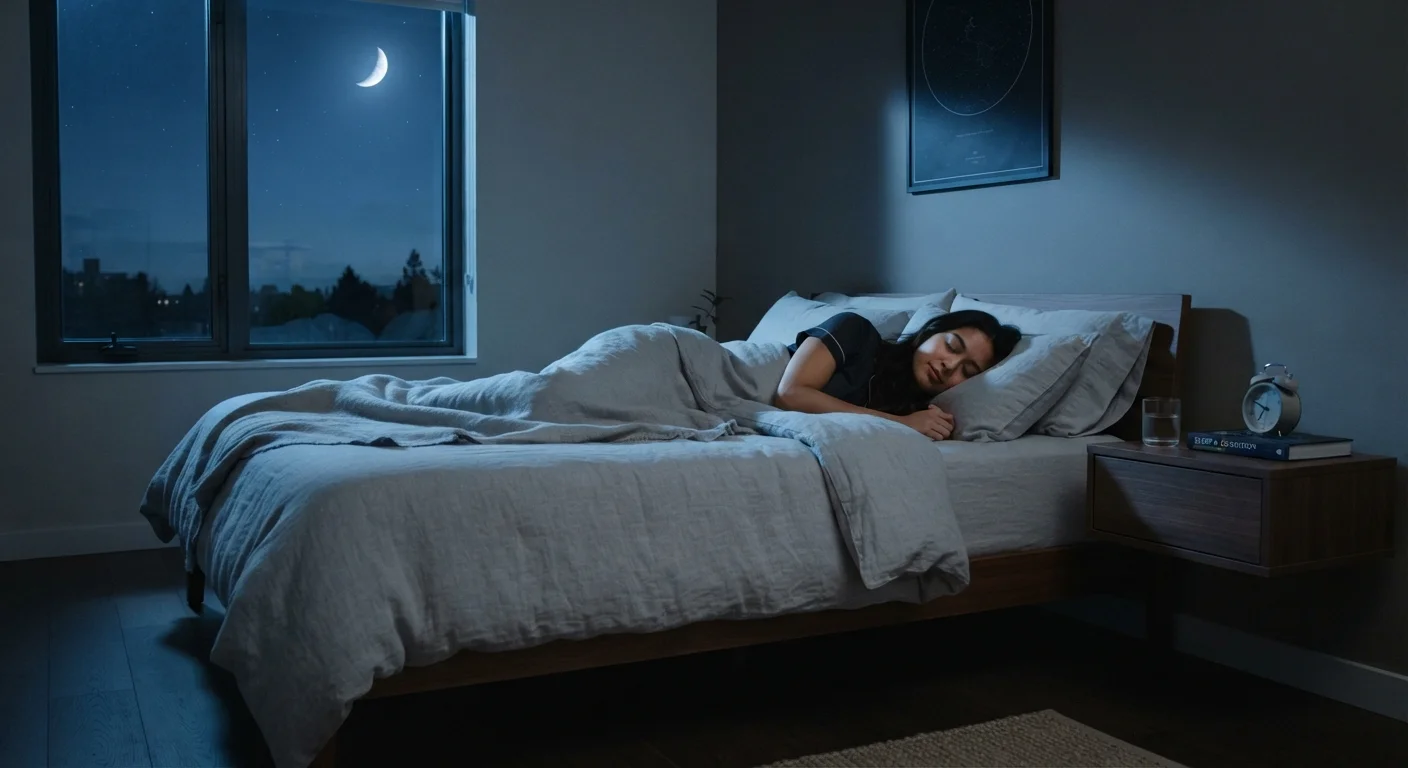
Key Takeaways
- Core body temperature must fall by roughly 1–2°F for sleep onset to occur naturally.
- Your body offloads heat through blood vessel dilation in the hands and feet before sleep.
- A bedroom temperature around 65–68°F is commonly associated with optimal sleep conditions.
- Overheating during the night disrupts sleep architecture, reducing time in slow-wave and REM sleep.
- Evening habits like hot showers can paradoxically assist cooling by drawing heat to the skin surface.
Thermoregulation and Sleep
Thermoregulation is your body's ability to control its own internal temperature. When it comes to sleep, this process is essential: your core body temperature naturally drops in the evening as a signal that it's time to rest, and maintaining a cool internal temperature helps sustain the deeper stages of sleep throughout the night.
The preoptic area of the hypothalamus governs both sleep onset and body temperature regulation, linking the two processes at a neurological level.
Why Your Body Cools Down to Fall Asleep
Sleep doesn't begin simply because you feel tired. Behind the scenes, your body is executing a precise thermal sequence designed to usher you into rest. In the hours before sleep, your core body temperature — the temperature of your vital organs and deep tissue — begins to decline. This drop, typically around 1–2°F, is not incidental. It is a prerequisite for sleep onset.
The hypothalamus, a small structure in the brain, orchestrates this process. It acts as your body's internal thermostat and is intimately connected to your circadian sleep-wake cycle. As evening progresses and melatonin begins to rise, the hypothalamus directs blood vessels in the hands and feet to dilate — a process called vasodilation. This pushes warm blood toward the skin's surface, allowing heat to radiate away from the body and driving core temperature downward.
That familiar sensation of warm, heavy hands or feet as you drift off is this mechanism in action. It's a reliable biological sign that your body is preparing for sleep.
1–2°F
Core temperature drop required for sleep onset
Sleep researchers broadly agree that a decline of approximately 1–2°F in core body temperature is necessary to initiate sleep in healthy adults.
65–68°F
Recommended bedroom temperature range for sleep
Sleep medicine guidelines commonly cite this ambient range as supportive of quality sleep for most healthy adults.
~4 AM
Timing of lowest nightly core body temperature
Core body temperature typically reaches its lowest point in the early morning hours, coinciding with the deepest phase of the sleep cycle.
How Sleep Stage Quality Depends on Temperature
Temperature regulation doesn't stop at sleep onset — it continues shaping your sleep architecture throughout the night. Slow-wave sleep, also called deep sleep, is particularly sensitive to thermal conditions. During this stage, your body reaches its lowest core temperature of the night, and metabolic activity slows to support physical recovery and memory consolidation.
REM sleep, the stage most associated with vivid dreaming and emotional processing, is also temperature-dependent, though differently. During REM, your body largely suspends active thermoregulation, making you more vulnerable to the ambient temperature of your sleeping environment. If your bedroom is too warm, your body cannot maintain the conditions needed for healthy REM architecture.
The practical consequence: an overheated sleep environment doesn't just make you uncomfortable. It compresses your deepest sleep stages, fragments your sleep cycles, and can leave you feeling unrested even after sufficient hours in bed.
The Role of Your Sleeping Environment
Because your body relies on offloading heat to the environment, the ambient temperature of your bedroom has a direct and measurable effect on sleep quality. Research consistently identifies a range of roughly 65–68°F (18–20°C) as supportive of healthy sleep for most adults, though individual variation exists.
Bedding, sleepwear, and room airflow all interact with your body's thermal management system. Heavy insulating materials can trap heat and elevate skin temperature, working against the cooling your body is trying to achieve. Conversely, sleeping in an excessively cold room without adequate covering can cause discomfort that also fragments sleep.
For a deeper look at how temperature interacts with light and noise in your sleep space, see our guide on how your bedroom environment shapes sleep quality. And if you want a practical room-by-room approach, the bedroom environment checklist for better sleep offers a structured starting point.
Time Your Warm Shower for Better Sleep
Taking a warm shower or bath about 60–90 minutes before bed — rather than immediately before — gives your body time to dissipate the surface heat and experience the resulting drop in core temperature. This timing has been shown in sleep research to support faster sleep onset. Keep the water comfortably warm rather than extremely hot.
Practical Ways to Support Your Body's Cooling Process
Understanding thermoregulation gives you actionable levers to improve your sleep. A warm bath or shower taken roughly one to two hours before bed — not immediately before — can accelerate the cooling process by drawing blood to the skin and releasing heat more efficiently once you step out. This is a well-studied behavioral strategy for improving sleep onset.
Keeping your bedroom cool and well-ventilated is one of the simplest environmental adjustments available. Lightweight, breathable bedding supports natural heat dissipation. Avoiding intense exercise in the final hour or two before bed can also help, since physical exertion raises core temperature and may delay the cooling cascade your body needs.
These aren't complex interventions. They align with your body's existing biology rather than working against it. For readers new to thinking about sleep as a system, our practical starting point for improving sleep offers foundational guidance across the key factors involved. You can also explore evidence-based environmental strategies further in our article on optimizing your sleep environment.
This article is for general informational and educational purposes only and is not a substitute for professional medical advice. If you have concerns about your sleep health or a related medical condition, please consult a qualified healthcare provider.