

Key Takeaways
- Acute stress is short-term and can actually sharpen focus and performance in the moment.
- Chronic stress keeps the body's alarm system switched on, gradually wearing down physical and mental health.
- The body uses the same stress hormones for both types, but duration determines the damage.
- Recognizing which type you're experiencing is the first step toward responding effectively.
- Simple daily habits — breathing, movement, connection — can meaningfully reduce chronic stress burden.
Option A
Acute Stress
The short-lived, often necessary stress response.
Best for: Understood as a normal, temporary reaction to immediate challenges or threats that resolves quickly.
Option B
Chronic Stress
The persistent, health-eroding pressure that accumulates over time.
Best for: Recognized as a prolonged state of activation that warrants targeted lifestyle strategies and, when needed, professional support.
If you're facing a one-time high-pressure event like a job interview or urgent deadline
Acute Stress
This is normal stress doing its job. Channel the energy, use grounding techniques, and allow recovery time afterward.
If you feel persistently overwhelmed, exhausted, or unable to unwind for weeks or months
Chronic Stress
This pattern needs active intervention. Start with daily stress-reduction habits and consider speaking with a mental health professional.
If you want to build long-term resilience against both types of stress
Chronic Stress
Addressing chronic stress through consistent behavioral strategies builds the psychological buffer that also makes acute stress easier to handle.
What Separates Acute from Chronic Stress
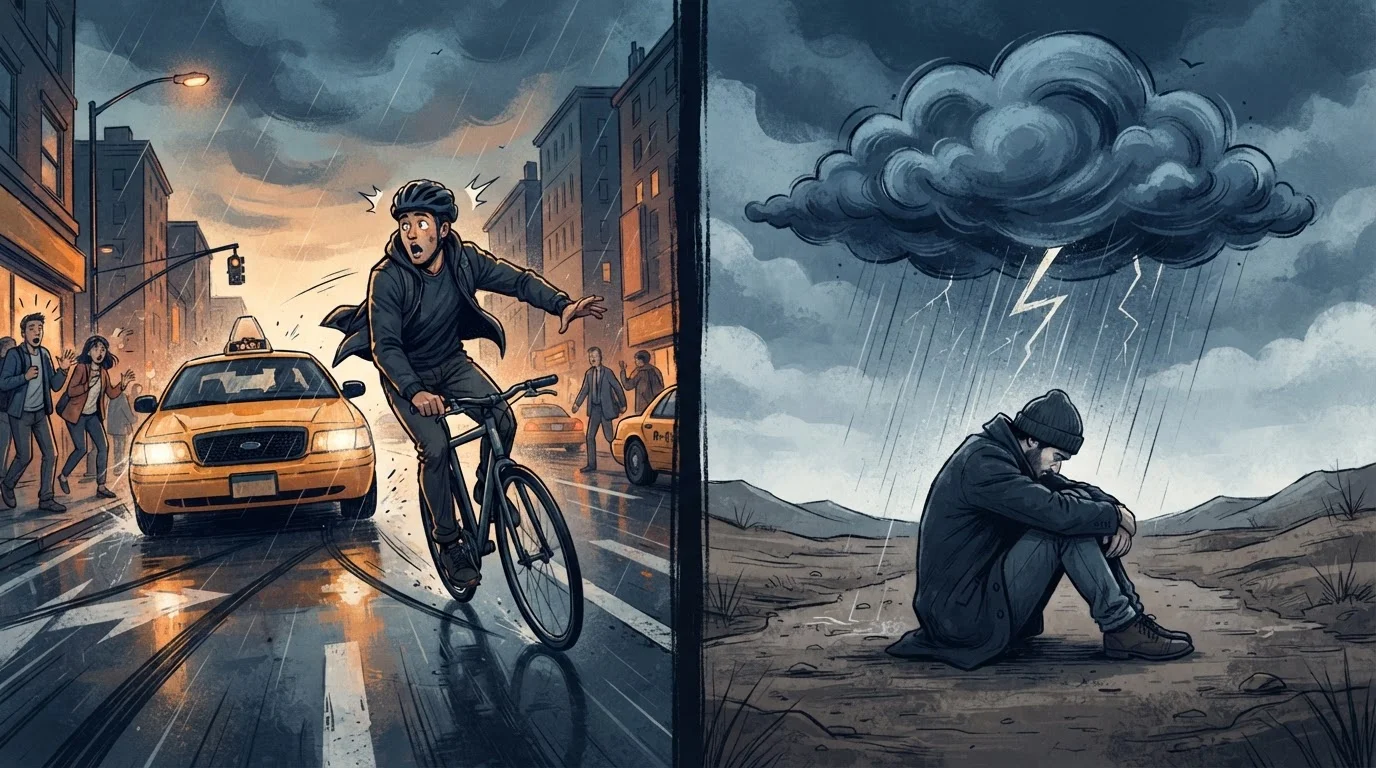
Stress is one of those words we use constantly — but it actually describes very different biological experiences depending on how long it lasts. Acute stress is the body's immediate, short-term response to a perceived threat or challenge. Think of slamming on the brakes in traffic, giving a presentation, or hearing an unexpected piece of bad news. Your heart rate spikes, adrenaline surges, and attention narrows. Then, within minutes to hours, it passes.
Chronic stress is something else entirely. It's what happens when stressors persist — financial strain, a difficult relationship, an overwhelming workload — and the body never fully returns to a relaxed baseline. Rather than a wave that breaks and recedes, it becomes a tide that never goes out.
The distinction matters because the body uses the same core stress hormones — primarily cortisol and adrenaline — in both cases. What differs is duration, and duration is what determines the health consequences. See our stress management hub for a broader look at daily techniques that address both types.
| Criterion | Acute Stress | Chronic Stress |
|---|---|---|
| Duration | Minutes to hours | Weeks, months, or longer |
| Trigger | Specific, identifiable event | Ongoing or unresolved pressures |
| Hormonal response | Cortisol/adrenaline spike, then drops | Cortisol remains persistently elevated |
| Physical impact | Temporary — heart rate, alertness | Cumulative — sleep, immunity, heart health |
| Mental impact | Can sharpen focus short-term | Erodes mood, memory, and concentration |
| Recovery | Body returns to baseline naturally | Baseline shifts; recovery requires active effort |
| Intervention needed | In-the-moment coping techniques | Sustained lifestyle changes; professional support may help |
How Each Type Affects Your Body and Mind
Acute stress, in controlled doses, isn't inherently harmful. Research in psychophysiology suggests it can temporarily improve alertness, reaction time, and even immune function. Athletes, performers, and first responders often harness it productively. The key is that the body recovers.
Chronic stress tells a different story. When cortisol remains elevated for extended periods, it begins to disrupt nearly every major body system. Sleep quality deteriorates. Digestion can become irregular. The immune system's ability to respond appropriately is blunted. Cardiovascular strain accumulates quietly. For a detailed look at these mechanisms, what chronic stress does to the body over time explores the research in depth.
Emotionally, chronic stress tends to narrow our thinking, fuel irritability, and erode the capacity to respond thoughtfully rather than react impulsively. If you've noticed yourself snapping at people or feeling mentally foggy for weeks, that pattern is worth examining. Our article on reactive vs. responsive emotional modes explains how prolonged stress shifts us toward reactivity.
77%
Americans reporting physical stress symptoms
According to the American Psychological Association's Stress in America surveys, a large majority of U.S. adults regularly experience physical symptoms they attribute to stress.
2–3×
Elevated cardiovascular risk with chronic stress
Research published in peer-reviewed cardiology literature suggests prolonged psychosocial stress is associated with significantly elevated cardiovascular disease risk.
~50%
Adults who say stress affects their sleep
APA data consistently shows that roughly half of adults report that stress causes them to lie awake at night, illustrating sleep as a key casualty of chronic stress.
Practical Strategies for Managing Each Type
Managing acute stress is largely about activating the body's recovery response in the moment. Slow, diaphragmatic breathing — inhaling for four counts, holding briefly, exhaling for six — engages the parasympathetic nervous system and can lower heart rate within minutes. Grounding techniques, like the 5-4-3-2-1 sensory exercise, redirect attention away from catastrophic thinking and back to the present.
Managing chronic stress requires a different approach: building consistent habits that reduce the overall load on your nervous system over time. Evidence-informed strategies include regular moderate physical activity, maintaining social connection, prioritizing consistent sleep timing, and creating predictable transitions between work and rest. Even brief daily practices — a ten-minute walk, a consistent bedtime routine — compound meaningfully across weeks.
It's also worth examining the sources themselves. Some chronic stressors can be modified (workload, boundaries, environment), while others require acceptance-based strategies. Journaling about what feels controllable versus what doesn't can help clarify where your energy is best directed.
This article is for general informational purposes only and is not a substitute for professional medical or mental health advice. If stress is significantly affecting your daily functioning, please consult a qualified healthcare provider.