

Mental Wellness Editorial Team
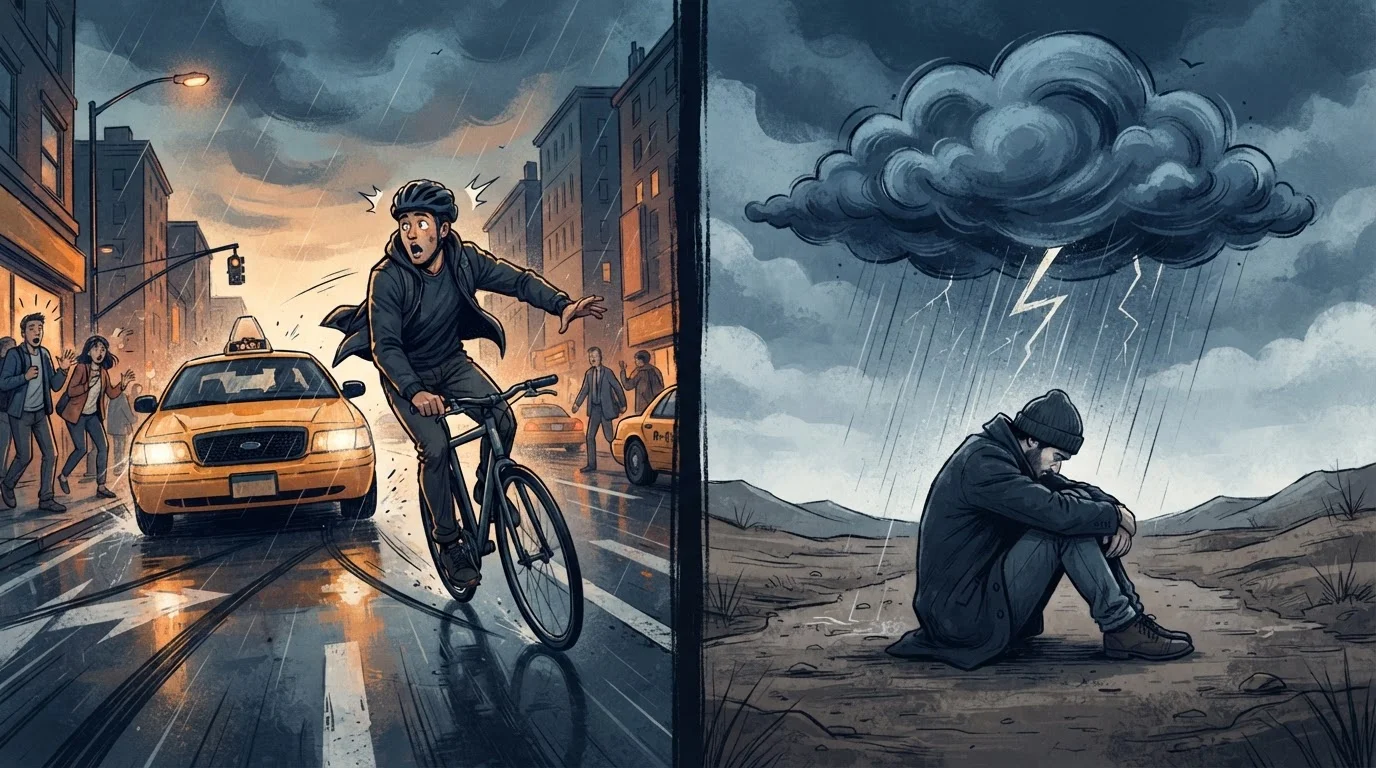
Acute vs. Chronic Stress: Why the Difference Matters for Your Health
Short-term and long-term stress affect the body very differently. Understanding the distin…

Breathing Techniques for Stress Relief: What the Research Actually Shows
Box breathing, diaphragmatic breathing, 4-7-8 — a clear look at which techniques have evid…

Building a Daily Wind-Down Routine That Actually Lowers Tension
A practical, step-by-step evening routine designed to help your nervous system shift out o…

Everyday Stress Management: A Starting Point for Overwhelmed Adults
New to actively managing stress? This grounded introduction covers what works, what doesn'…

Mindfulness vs. Meditation for Stress: Which One Fits Your Life?
Mindfulness and meditation are often conflated but work differently. Here's how to tell th…

Progressive Muscle Relaxation: A Reference Guide
Key terms, technique steps, timing guidance, and what to expect — a quick-reference resour…

Small Habits With a Surprisingly Large Impact on Daily Stress
Short walks, phone-free meals, consistent sleep times — why minor routine shifts can meani…

Social Connection as a Stress Buffer: What the Evidence Suggests
Research consistently links social support to lower stress responses. Here's what that mea…

Stress Journaling: What It Is, How It Works, and How to Start
Writing about stress isn't just venting — structured journaling techniques have real psych…

Stress Management Myths That May Be Making Things Worse
From "just relax" to "venting always helps" — common stress beliefs that don't hold up und…

Stress Management at Work: Proven Approaches for High-Pressure Environments
Boundary-setting, task prioritization, and recovery micro-breaks — evidence-informed pract…

The Science Behind Why Stress Feels Physical
Tight chest, racing heart, upset stomach — here's what's actually happening in your body w…

What Chronic Stress Does to the Body Over Time
A clear-eyed look at how prolonged stress affects sleep, digestion, immunity, and cardiova…
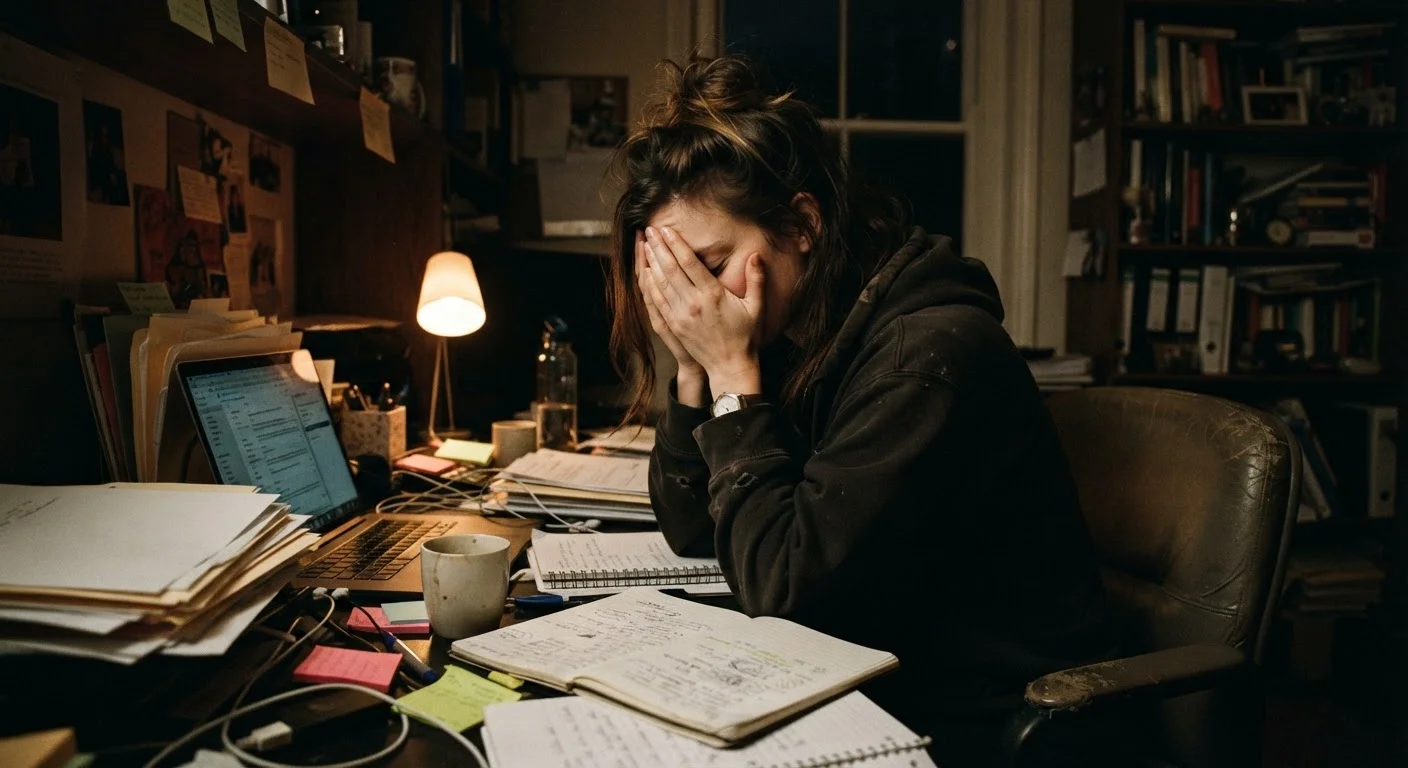
Why Pushing Through Stress Without Rest Usually Backfires
The instinct to power through is understandable, but ignoring recovery signals often deepe…

Your Personal Stress Audit: Questions to Identify What's Really Driving Your Tension
Use this structured checklist to map your stress sources, patterns, and responses — a prac…
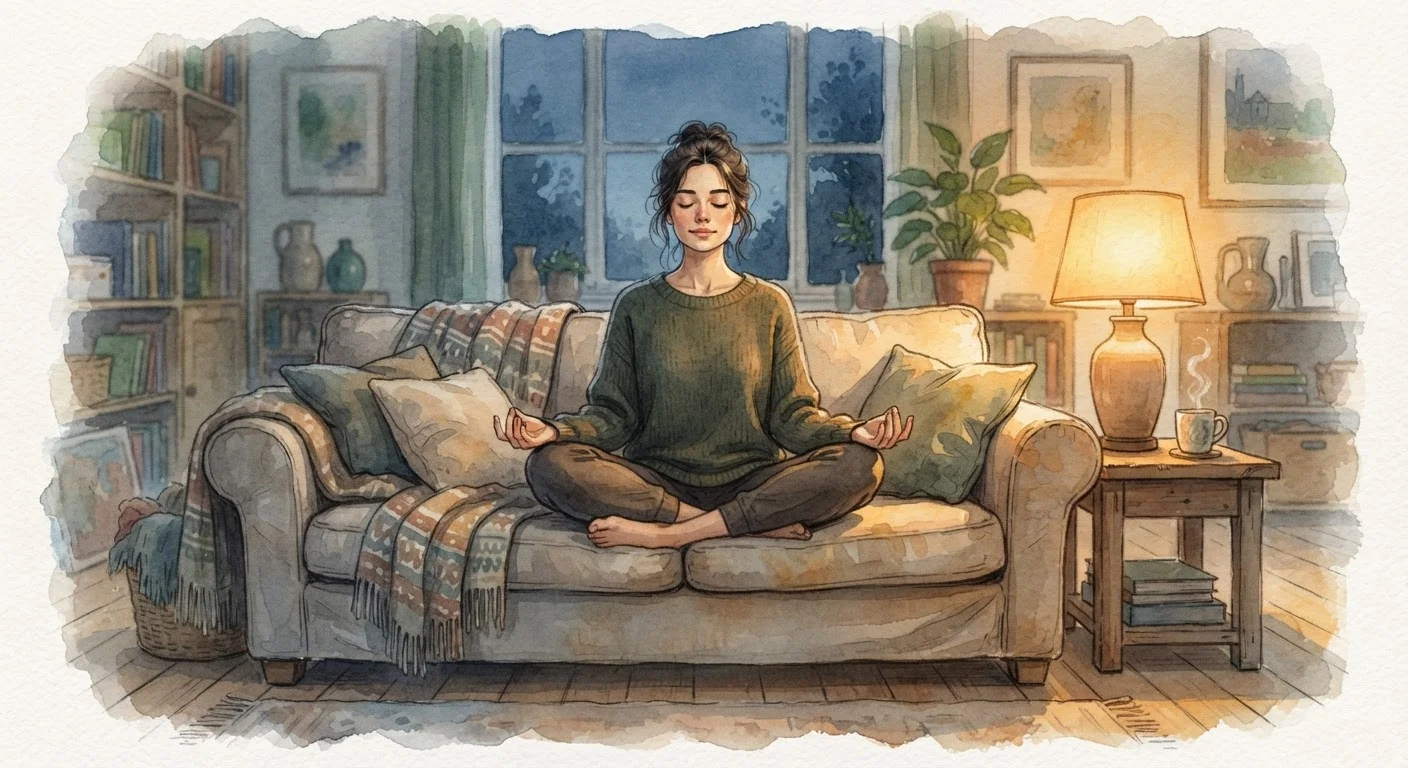
Building an Emotional Reset Routine for the End of a Hard Day
A consistent wind-down ritual can help you shed the day's emotional residue. Here's how to…

Daily Habits That Quietly Destabilize Your Mood Without You Noticing
Some routine choices chip away at emotional balance over time. Discover which everyday hab…

Emotion Regulation: A Starter's Map to Understanding Your Inner Weather
New to the idea of managing your emotions intentionally? This introduction covers the core…
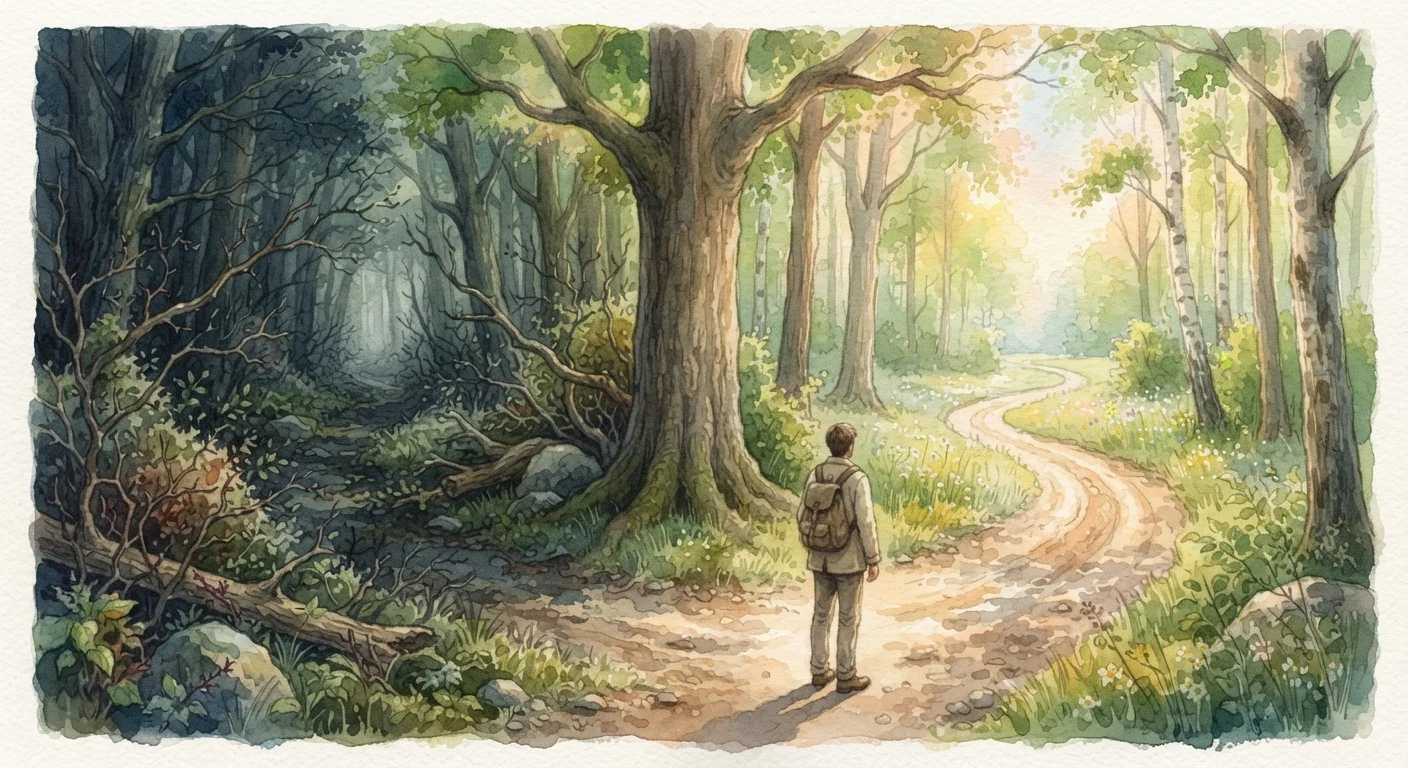
Emotional Resilience vs. Emotional Suppression: Knowing the Difference
Bouncing back from hard emotions isn't the same as burying them. Here's how to tell the di…

Emotional Well-Being From the Inside Out: A Comprehensive Look at the Building Blocks
From self-awareness to resilience and social health, this guide covers the full landscape …

Grounding Techniques: Bringing Yourself Back When Emotions Feel Overwhelming
Grounding exercises can help interrupt emotional spirals. Learn several practical techniqu…

Journaling for Emotional Clarity: Approaches That Go Beyond a Dear Diary Entry
Structured journaling can strengthen self-awareness and mood stability. Explore several me…

Keeping Emotional Balance on High-Stress Days: Realistic Strategies That Hold Up
When the pressure is highest, emotional balance is hardest to maintain. These practical ap…

Reactive vs. Responsive: Two Modes of Handling Strong Emotions
Reacting and responding to emotions feel similar in the moment but lead to very different …

Signs Your Emotional Coping Strategies May Need a Refresh
Coping habits that once helped can quietly stop working — or start causing harm. Here's ho…

Social Connection and Emotional Stability: What the Research Generally Shows
Relationships shape our emotional lives in measurable ways. Explore what researchers under…

The Role of Physical Activity in Mood Regulation
Movement affects more than the body. Learn how different types of physical activity influe…
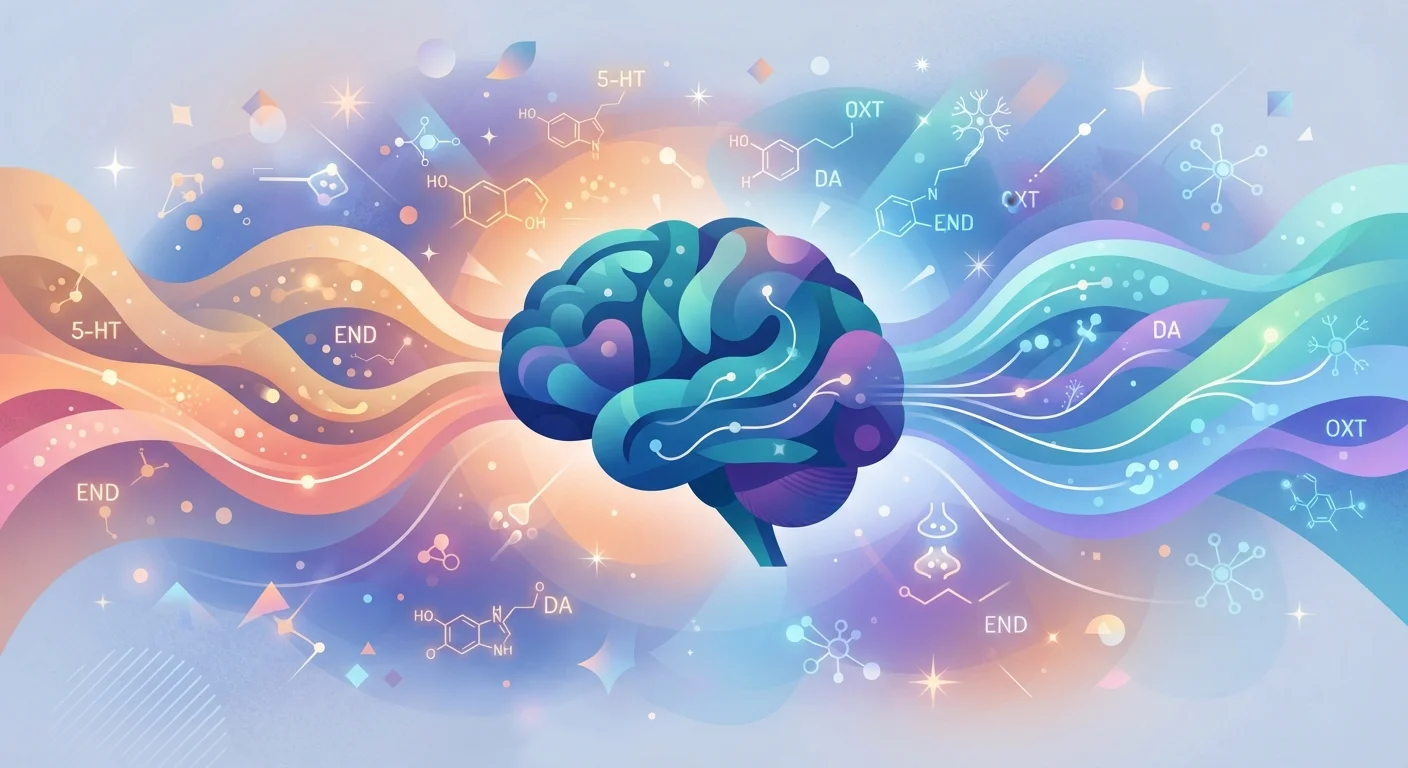
The Science Behind Mood Swings: What's Happening in Your Brain and Body
Mood swings have biological roots. Explore how hormones, sleep, and stress signals interac…

Things People Get Wrong About Negative Emotions
Anger, sadness, and anxiety aren't signs of weakness or failure. Unpack the most common mi…

What Emotional Balance Actually Means - and Why It's Not the Same as Being Happy
Emotional balance isn't about feeling good all the time. Learn what it really means and wh…

Building a Wind-Down Routine That Actually Quiets an Anxious Mind
Step-by-step guidance for creating a pre-sleep routine designed to ease mental chatter and…

Chronotypes and Mental Health: Does Being a Night Owl Really Affect Your Mood?
Your natural sleep timing preference may influence mood and mental wellness. Here's what r…

Cognitive Behavioral Therapy for Insomnia: What It Is and How It Works
CBT-I is widely recommended for chronic insomnia, but many people haven't heard of it. Her…

Common Beliefs About Sleep That Science Has Since Complicated
From "8 hours is universal" to "alcohol helps you sleep" — separating durable sleep facts …

How Stress and Sleep Feed Each Other - and Where to Break the Cycle
Stress disrupts sleep, and poor sleep amplifies stress. Understanding this loop is the fir…
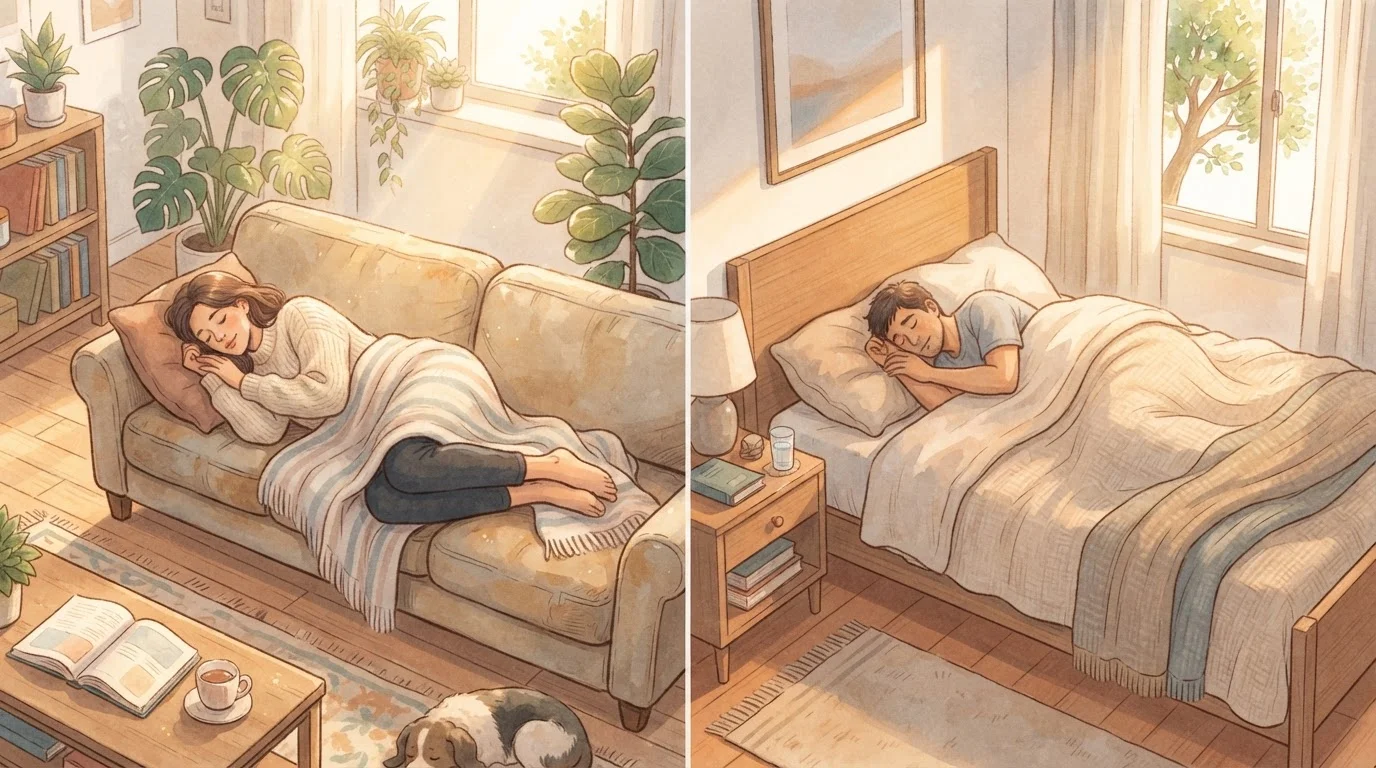
Napping vs. Sleeping In: Which Actually Helps You Recover Mental Energy?
Should you catch up with a weekend lie-in or squeeze in an afternoon nap? A look at how ea…

Screen Time Before Bed: Sorting Out What the Evidence Genuinely Shows
Blue light, mental stimulation, and emotional content all play roles. A balanced look at h…
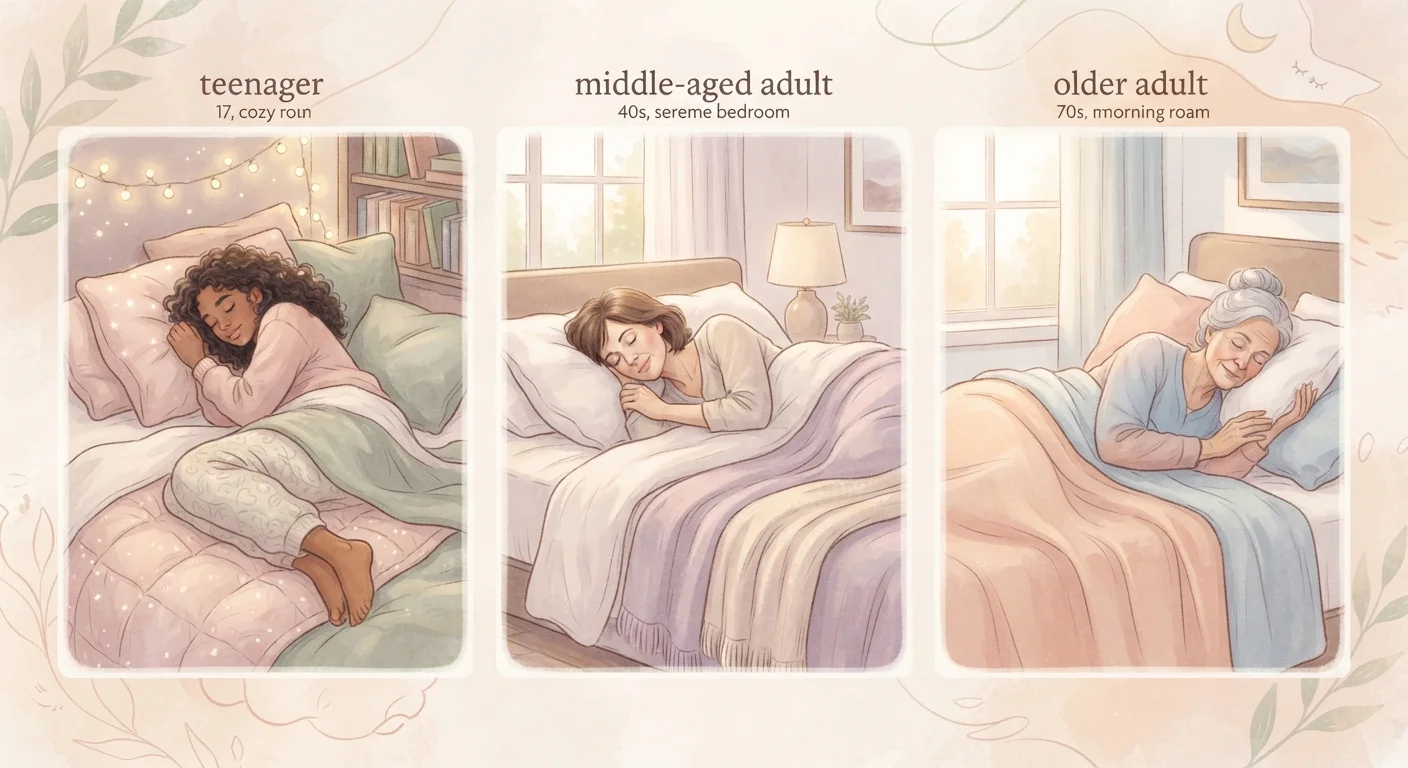
Sleep Across the Lifespan: How Needs and Patterns Shift From Adolescence to Older Adulthood
Sleep requirements and architecture change significantly with age. Here's what those shift…

Sleep Deprivation vs. Chronic Insomnia: Two Distinct Problems That Need Different Approaches
Not getting enough sleep and being unable to sleep are different conditions with different…

Sleep Hygiene for Mental Clarity: Habits Worth Building and Ones Worth Dropping
A practical look at environmental and behavioral sleep habits, grounded in what evidence c…
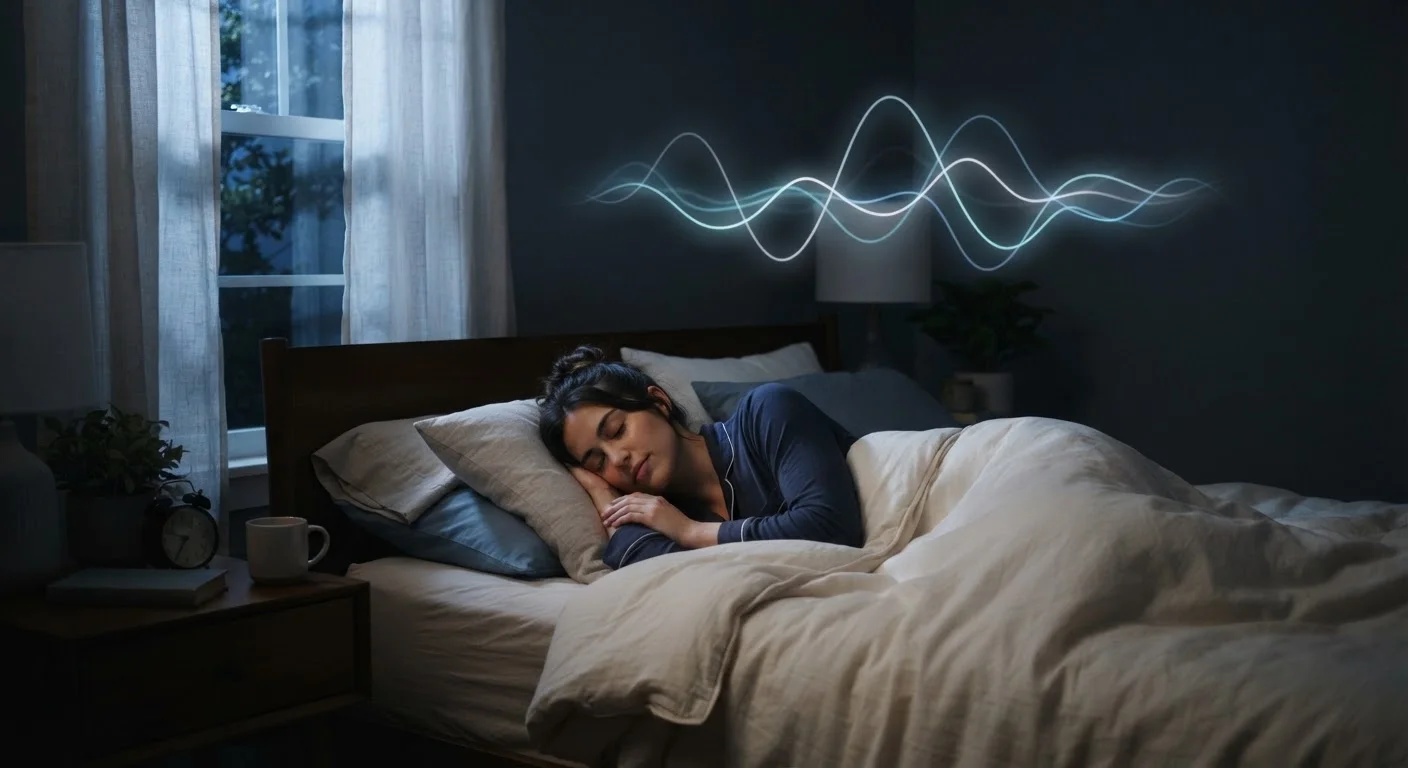
Sleep Stages Decoded: What REM, Deep Sleep, and Light Sleep Actually Do
A plain-language breakdown of the four sleep stages, what happens in each, and why skippin…
The Sleep-Brain Connection: Why Rest Is a Cognitive Necessity
Sleep isn't passive downtime — it's when your brain consolidates memory, clears waste, and…

When Sleep Problems Signal Something More: Recognizing the Mental Health Overlap
Persistent sleep difficulties can accompany anxiety, depression, and other conditions. Lea…

Why a Single Bad Night Can Derail Your Focus for Days
One night of poor sleep can impair attention, decision-making, and emotional regulation in…

Your Bedroom Environment Checklist for Better Sleep
A practical room-by-room checklist covering light, temperature, noise, and layout factors …