

Key Takeaways
- Blue light from screens affects melatonin, but it is not the only — or even the biggest — sleep disruptor.
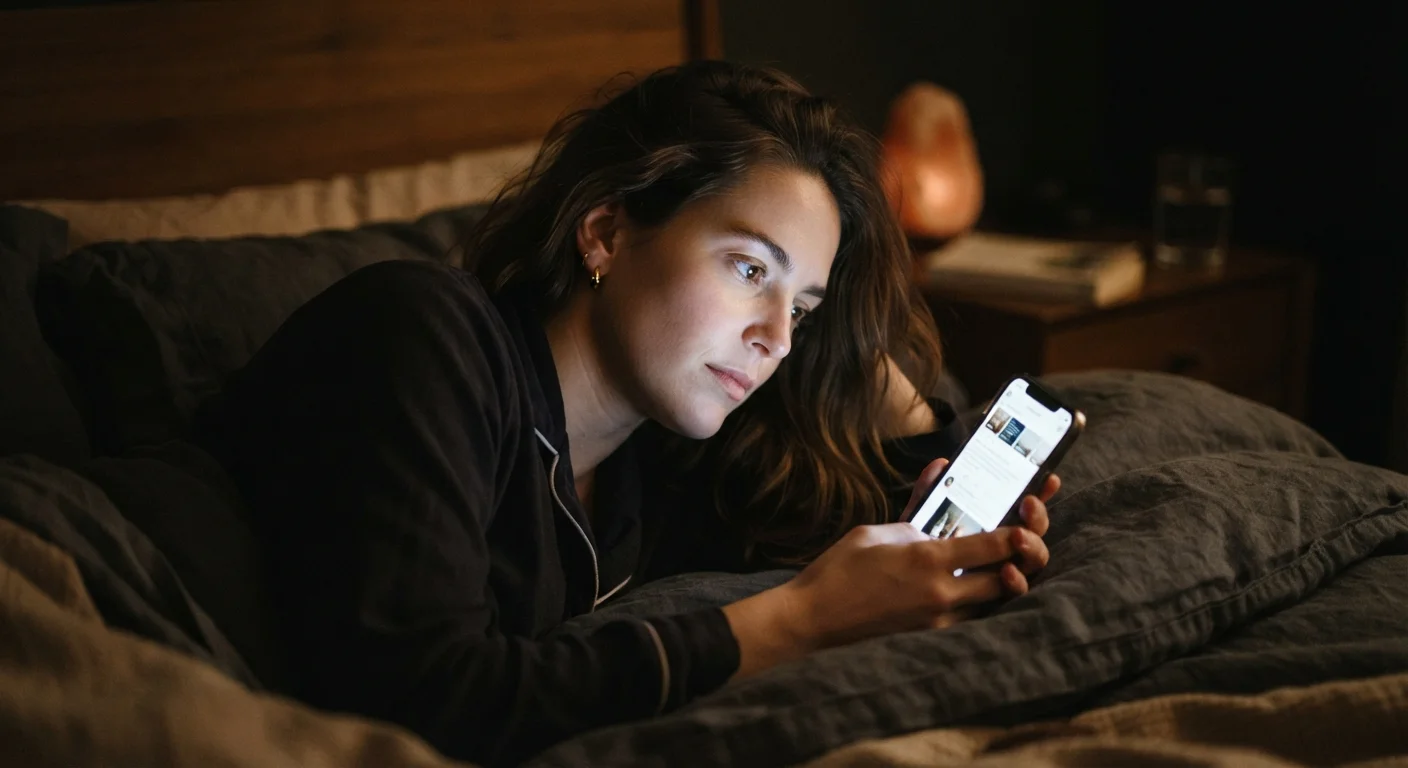
- Mental and emotional stimulation from content you watch or scroll may matter more than the light itself.
- Night mode and dark settings reduce blue light but don't fully offset the effects of engaging content.
- Individual sleep sensitivity to evening screens varies considerably from person to person.
- Wind-down habits and consistent sleep timing are more powerful levers than screen avoidance alone.
Why the Screen-Sleep Conversation Is More Complicated Than Headlines Suggest
If you've ever been told to put your phone down an hour before bed and felt vaguely guilty for not doing it, you're not alone. The message that screens ruin sleep has become conventional wisdom — but the actual research picture is more nuanced, and understanding it can help you make smarter choices rather than just feeling bad about the ones you make now.
Evening screen use does affect sleep — that part is real. But how it affects sleep, for whom, and by how much depends on factors most advice glosses over. Below, we sort through the most common misconceptions with what the evidence genuinely shows.
Myth
Blue light from phones and tablets is the primary reason screens disrupt sleep.
Fact
Blue light does suppress melatonin, but research suggests mental stimulation and emotional arousal from screen content are equally — or more — disruptive to sleep onset.
Blue light in the short-wavelength range does signal wakefulness to the brain's suprachiasmatic nucleus, suppressing melatonin production. However, studies published in sleep research journals indicate that the content being consumed — suspenseful video, heated social media scrolling, breaking news — activates the nervous system in ways that keep the brain alert long after the screen is off. The light is one piece; psychological arousal is another significant piece that often goes underappreciated.
Myth
Switching your phone to night mode or dark mode fully protects your sleep.
Fact
Night mode reduces blue-light emission, but it does not eliminate the cognitive and emotional stimulation that comes from engaging content.
Warm-toned display settings are a reasonable harm-reduction step, and some evidence supports modest melatonin benefits from reduced blue-light exposure. But if you're still scrolling through stressful news or replying to work messages in amber light, your nervous system doesn't know the difference. The filter changes the wavelength; it does not quiet an activated mind. Treating night mode as a green light for unlimited evening screen time overstates what the evidence actually shows.
Myth
Everyone's sleep is equally disrupted by evening screen use.
Fact
Sensitivity to evening light and stimulation varies meaningfully between individuals, influenced by chronotype, age, and personal stress levels.
Research consistently shows that night owls — people with a later chronotype — may be less immediately affected by evening light than early risers. Older adults generally produce less melatonin overall, which changes how light exposure interacts with sleep architecture. Adolescents, by contrast, tend to be more vulnerable. This variability means that blanket rules like "no screens after 8 p.m." may be too strict for some people and not strict enough for others. Paying attention to your own sleep quality after evening screen use is genuinely useful data.
Myth
Reading on a tablet before bed is just as bad as watching a stimulating show.
Fact
The type of content and level of engagement matter — calm, low-stimulation reading tends to be less disruptive than fast-paced or emotionally charged video.
Not all screen activities are created equal. A slow-paced e-book read at low brightness in a dimmed room is meaningfully different from a true-crime series or a social feed built to maximize engagement. The key variables are cognitive load, emotional arousal, and the way the content pulls your attention. Passive, calm screen use appears to cause less sleep disruption than interactive or emotionally intense content, though even calm screen use is generally less sleep-supportive than non-screen alternatives like print reading.
Myth
The only solution is to ban all screens at least one hour before bed.
Fact
A full screen ban is one effective strategy, but good sleep hygiene also includes consistent timing, temperature, and a broader wind-down routine that can partially offset moderate screen use.
Complete screen avoidance in the hour before sleep is supported by evidence and remains a solid recommendation — but framing it as the only path to better sleep misses the fuller picture. Consistent sleep and wake times, a cool sleep environment, and calming pre-bed rituals all contribute to sleep quality independently of screen decisions. Understanding what that wind-down window actually does biologically helps readers make more informed trade-offs rather than feeling defeated by an all-or-nothing rule.
Practical Takeaways for Real Evenings
The goal here isn't to make you anxious about every glance at your phone after dinner. It's to give you a clearer picture so you can make choices that actually fit your life. A few evidence-informed habits worth considering:
- Prioritize content type over device type. Calm, low-engagement screen activities are less disruptive. Save the gripping drama series for earlier in the evening if you're sensitive to stimulation.
- Anchor your sleep with consistent timing. A regular wake time — even on weekends — is one of the strongest sleep-quality levers available. It works alongside, not instead of, screen habits.
- Use morning light intentionally. Getting outdoor light early in the day helps anchor your circadian rhythm, which can make you more resilient to evening light exposure.
- Pay attention to your own patterns. Track how you feel after different types of evening screen use. Your lived experience is legitimate data. For a broader look at how sleep connects to daily functioning, the Sleep & Daily Performance hub offers additional context.
This article is for general informational and educational purposes only and is not a substitute for professional medical advice. If you have persistent sleep difficulties, consider speaking with a qualified healthcare provider.