

Key Takeaways
- Intense exercise activates the sympathetic nervous system; breathing techniques help shift it toward parasympathetic recovery.
- Extended exhales are the most accessible tool for slowing heart rate and reducing post-exercise stress hormones.
- Diaphragmatic and box breathing are two evidence-informed techniques suited to post-workout cooldowns.
- Consistent use of breathing practices after training can support sleep quality and next-session readiness.
- Breathing exercises complement — not replace — other recovery strategies like nutrition, hydration, and sleep.
What you will need
Why Your Nervous System Needs a Cool-Down Signal
Hard exercise is a controlled stressor. When you push through an intense run, a heavy lifting session, or a demanding class, your body activates the sympathetic nervous system — commonly called the fight-or-flight branch. Heart rate rises, cortisol and adrenaline circulate, and blood is redirected toward working muscles. All of this is adaptive and necessary during the effort itself.
The problem is that the nervous system doesn't automatically switch off the moment you stop moving. Without a deliberate transition, the body can remain in an elevated arousal state for longer than is useful — delaying the shift into the parasympathetic, rest-and-digest mode where most recovery actually happens.
This is where intentional breathing comes in. Respiratory patterns have a direct, measurable influence on heart rate through a mechanism called the respiratory sinus arrhythmia: heart rate naturally increases slightly during inhalation and decreases during exhalation. By deliberately extending and slowing the exhale, you activate the vagus nerve and prompt a faster parasympathetic response. Think of it as giving your nervous system a clear signal that the effort is over and recovery can begin.
For a broader look at how rest and movement interact after training, see our guide on active recovery vs. complete rest.
Rest Is an Active Training Variable
Post-exercise recovery is not the absence of training — it is part of the training stimulus. Muscle repair, hormonal rebalancing, and nervous system restoration all happen during recovery, not during the workout itself. Treating the cooldown with the same intention as the warm-up can meaningfully improve how you feel and perform in subsequent sessions.
What You'll Need Before You Start
No equipment is required. A few simple conditions make the practice more effective:
What you will need
Once you have a comfortable position, the techniques below can be practiced immediately after your cooldown walk or light stretch — or even while still on the gym floor.
Step-by-Step: Breathing Techniques for Post-Exercise Recovery
The following sequence progresses from the simplest approach to slightly more structured patterns. You do not need to use all three every session — choose one or two that fit your time and comfort level.
Settle into a comfortable position
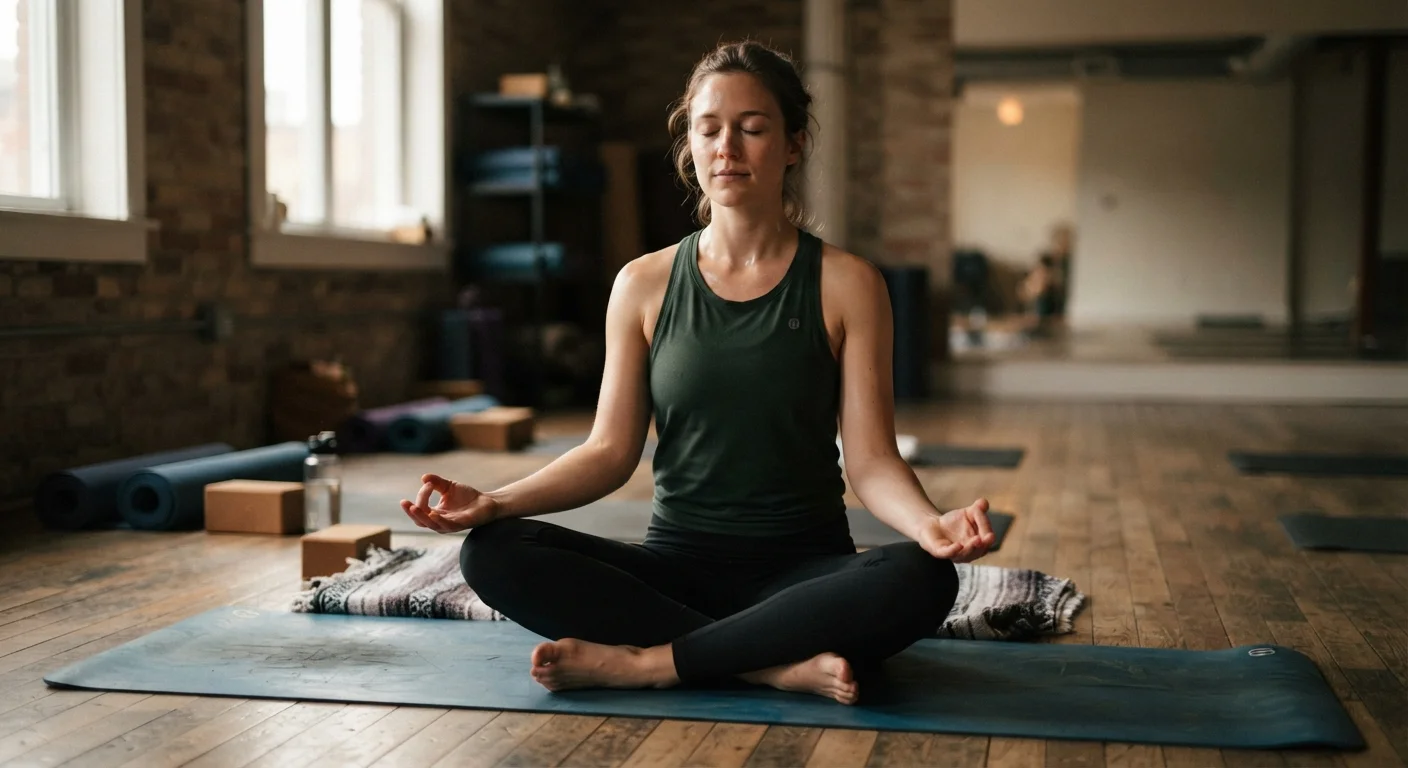
Sit upright on a bench, chair, or the floor with your spine reasonably tall — slouching compresses the diaphragm and limits breathing depth. Alternatively, lie on your back with knees bent. Rest your hands on your thighs or abdomen. Close your eyes if that helps you focus.
Practice diaphragmatic breathing with an extended exhale
Inhale slowly through your nose for a count of four, directing the breath toward the lower belly rather than the upper chest. Then exhale through pursed lips or an open mouth for a count of six to eight. The extended exhale is the key element — it activates the vagus nerve and encourages heart rate to slow. Repeat for eight to ten breath cycles.
Try box breathing for a more structured pattern
Box breathing uses equal counts for all four phases: inhale for four counts, hold for four, exhale for four, hold for four. This technique is well-documented in stress-regulation research and is particularly useful if your mind is still racing after a hard session. Complete four to six full cycles before returning to natural breathing.
Finish with two to three minutes of natural, unguided breathing
After your structured cycles, allow your breath to return to its natural rhythm without counting or controlling. Simply observe the breath as it settles. This transition reinforces the parasympathetic shift and gives your body time to consolidate the calming signal before you resume normal activity.
For a wider review of how breathing fits alongside other recovery tools, the article recovery methods worth knowing about offers an honest evidence-based overview.
Making Breathing Practice a Consistent Habit
The physiological benefits of post-exercise breathing — reduced heart rate, lower perceived effort, and faster nervous system recovery — tend to compound with consistent use. Sporadic practice still helps in the moment, but building a short breathing routine into every session ending makes the transition more automatic over time.
A realistic starting point is five minutes at the end of your workout. Attach it to an existing cue — the moment you remove your shoes, sit on a bench, or roll out a mat — so it becomes part of the session rather than an afterthought. Over several weeks, many people report that their resting heart rate returns to baseline more quickly and that post-workout restlessness or difficulty winding down in the evening decreases.
It's also worth noting that the stress-reduction applications of these techniques extend beyond the gym. The same breathing patterns used post-exercise have been studied for general anxiety reduction. Our related article on breathing techniques for stress relief reviews the evidence behind specific methods in more detail.
If you find it consistently difficult to come down from a hard session — or if high-stress states are affecting sleep or daily function — that may be a signal to examine the broader recovery picture. Pushing through without adequate rest can deepen rather than break the stress cycle; our article on why pushing through stress backfires explores this dynamic.
This article is for general informational purposes only and does not constitute medical advice. If you have a cardiovascular condition, respiratory issue, or any health concern that may be affected by breathing exercises, consult a qualified healthcare professional before beginning.