

Fitness & Movement Editorial Team

Building a Balanced Weekly Workout Schedule From Scratch
Learn how to structure a weekly exercise plan that balances intensity, rest, and variety —…

Cardio, Strength, or Flexibility: Understanding the Three Pillars of Physical Fitness
Fitness isn't one-dimensional. Explore how cardio, strength training, and flexibility each…
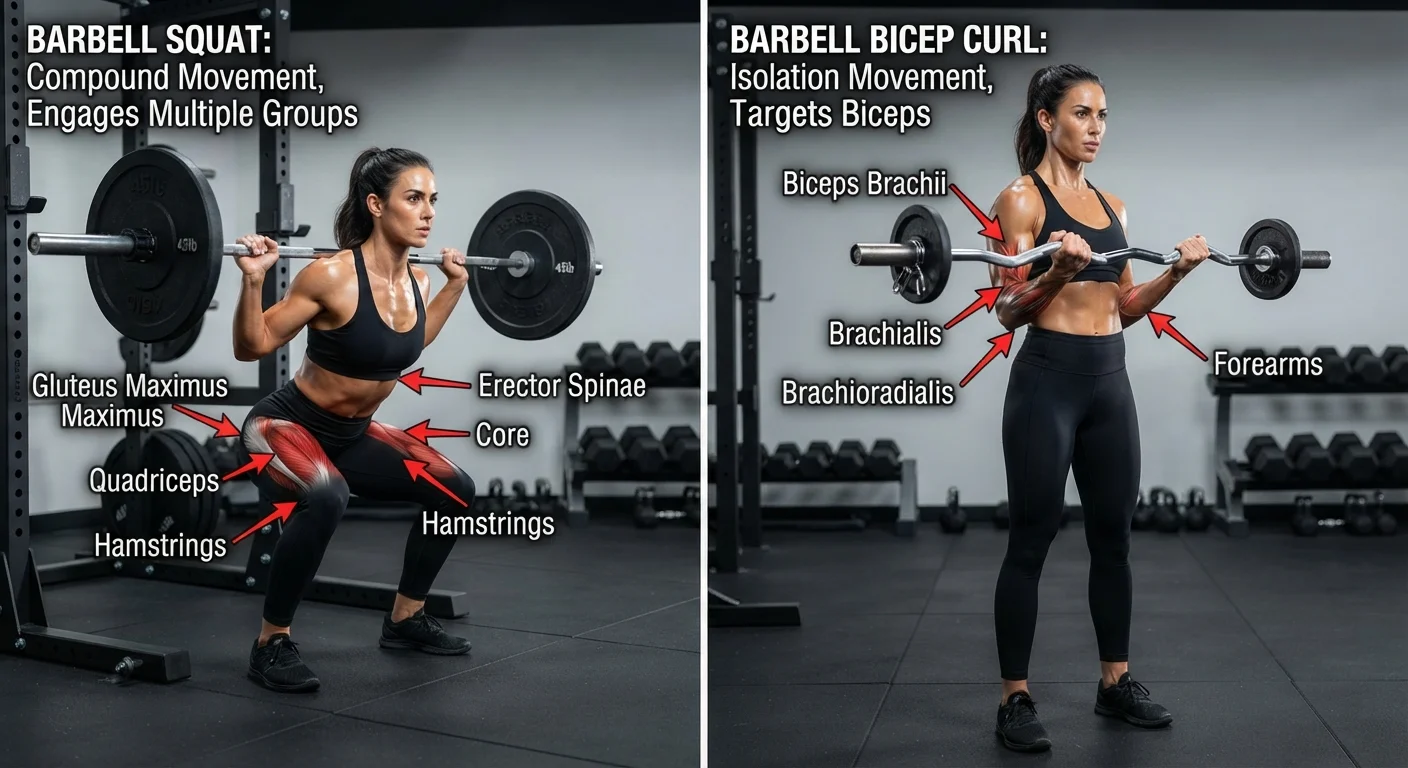
Compound Movements vs. Isolation Exercises: Choosing What to Prioritize
Squats work multiple muscle groups; bicep curls target one. Learn the difference between c…

Fitness Myths That Keep Beginners Stuck
From 'no pain no gain' to spot reduction, common fitness beliefs can mislead new exerciser…

Form Before Load: The Principle Most New Lifters Rush Past
Adding weight before mastering movement patterns is one of the most common early mistakes …

Heart Rate Zones Explained: What They Mean for Workout Intensity
Heart rate zones help match exercise intensity to your goals. Learn what each zone means a…

Pre-Workout and Post-Workout Nutrition: What General Guidance Suggests
Timing meals around exercise can support energy and recovery. Explore the general principl…
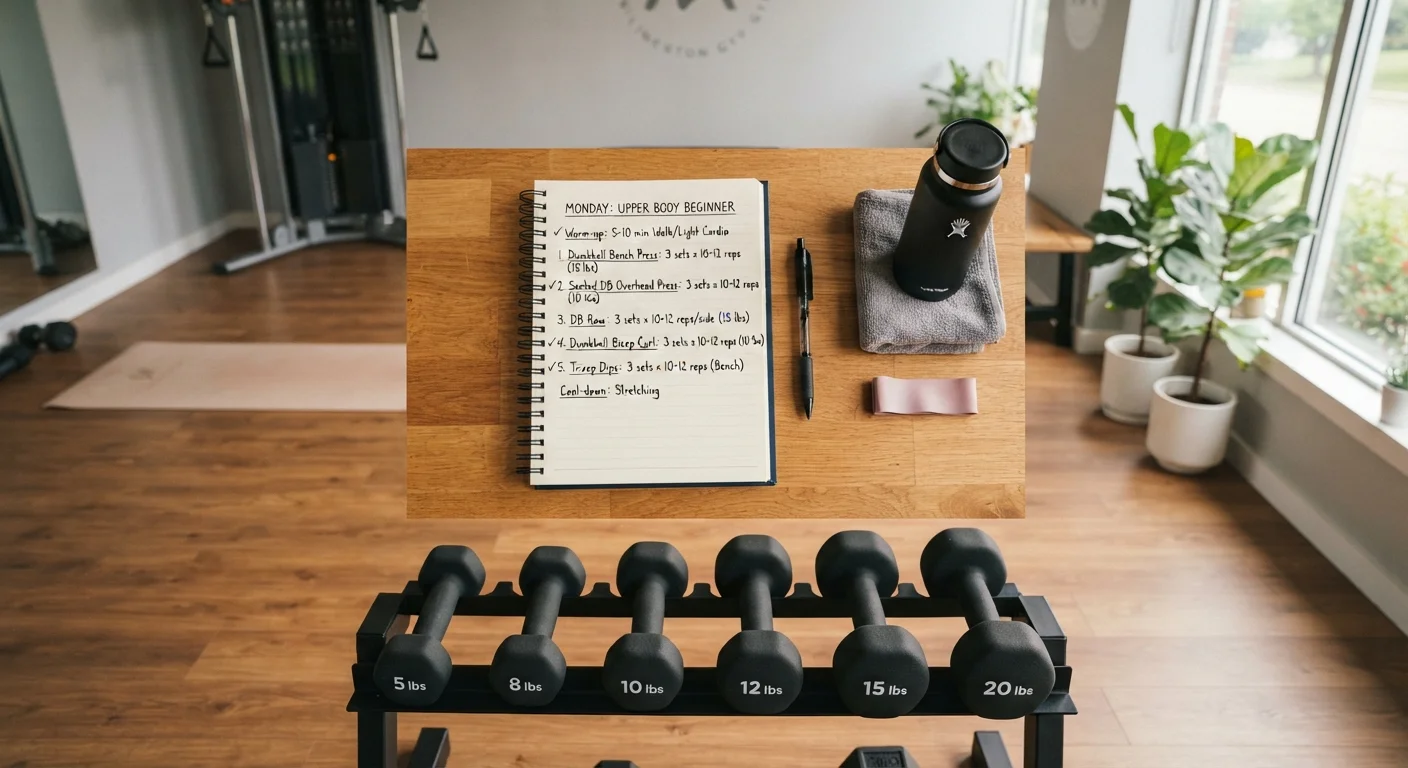
Reps, Sets, and Rest Periods: A Plain-English Reference for New Exercisers
Confused by gym terminology? This quick-reference guide defines reps, sets, rest intervals…

Signs Your Workout Routine Needs Adjusting
Plateaus, persistent fatigue, and boredom are signals worth listening to. Use this checkli…

Static Stretching vs. Dynamic Warm-Ups: Which Belongs Before Your Workout?
Static and dynamic stretching serve different purposes. Find out which approach fits befor…

The Case for Bodyweight Training: What It Can and Cannot Build
No equipment? Bodyweight exercise can take you far — but it has real limitations too. A ba…

Warming Up Before Exercise: What It Does and How to Do It Well
A proper warm-up prepares your body for movement and may reduce injury risk. Learn what an…

What Progressive Overload Actually Means - and Why It Drives Every Good Workout Plan
Progressive overload is the engine behind fitness gains. Learn what it is, how it works, a…

When Soreness Is Normal and When It's Worth Paying Attention To
Muscle soreness after exercise is common, but not all discomfort is the same. Understand d…

Why Rest Days Are Part of the Training Plan, Not a Break From It
Skipping rest can undermine fitness progress. Understand what happens in the body during r…

Your First Month of Exercise: A Realistic Week-by-Week Starting Framework
Not sure where to begin? This structured four-week framework helps beginners build an exer…

10,000 Steps a Day: Where That Number Actually Came From
The 10,000-step goal is everywhere, but its origins may surprise you. Here's what the rese…

Active Commuting 101: Moving More on the Way to Work
Walking, cycling, or even parking farther away—active commuting is one of the easiest ways…

Everyday Movement: A Complete Guide to Staying Active Without a Gym
From walking and household chores to active commuting, this end-to-end guide covers what e…

Household Tasks That Count as Genuine Physical Activity
Vacuuming, gardening, carrying groceries—daily chores involve real physical effort. Here's…
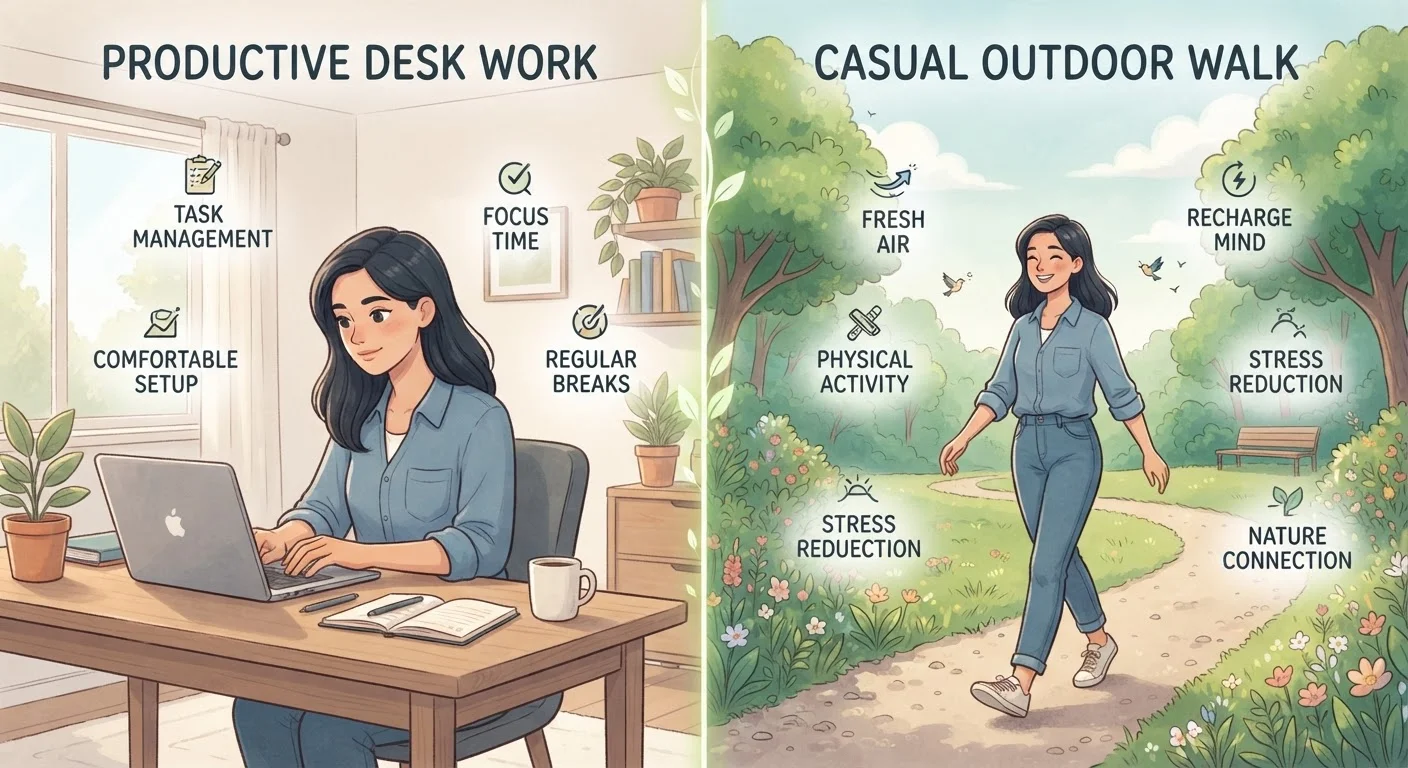
How Sedentary Behavior and Physical Inactivity Are Actually Different Things
Sitting for hours and not exercising are related but distinct problems. Understanding the …

Incidental Exercise vs. Structured Workouts: Do They Deliver the Same Benefits?
Grocery runs, dog walks, and stair climbs all count as movement—but how do they compare to…

Light Activity vs. Moderate Activity: Understanding the Difference and Why It Matters
What separates a casual stroll from a brisk walk? Learn how exercise scientists classify a…

Movement Snacks: What They Are and Why They Work
Movement snacks are short bursts of activity spread across the day. Learn what they are, t…

NEAT: The Hidden Activity That Shapes Your Daily Calorie Burn
Learn what NEAT (Non-Exercise Activity Thermogenesis) is, why it matters for your health, …

Sitting vs. Standing Throughout the Day: What the Difference Means for Your Body
Is standing at work really better than sitting all day? We break down what research says a…

Small Movements, Real Results: Building Activity Into a Desk Job
Practical ways to add more movement to a sedentary workday—no gym required. Learn how micr…

Standing Desks: What They Help With and What They Don't
Standing desks are popular, but they're not a cure-all for sedentary work life. Here's a b…

Ways to Walk More Without Rearranging Your Entire Schedule
You don't need a dedicated walking block to move more. These practical strategies fit extr…

Why Adding Movement to Your Day Feels Harder Than It Should
If building more activity into everyday life feels frustrating, you're not alone. These co…

Why Short Walks After Meals Are Worth the Habit
A 10-minute walk after eating can affect blood sugar, digestion, and energy levels. Here's…
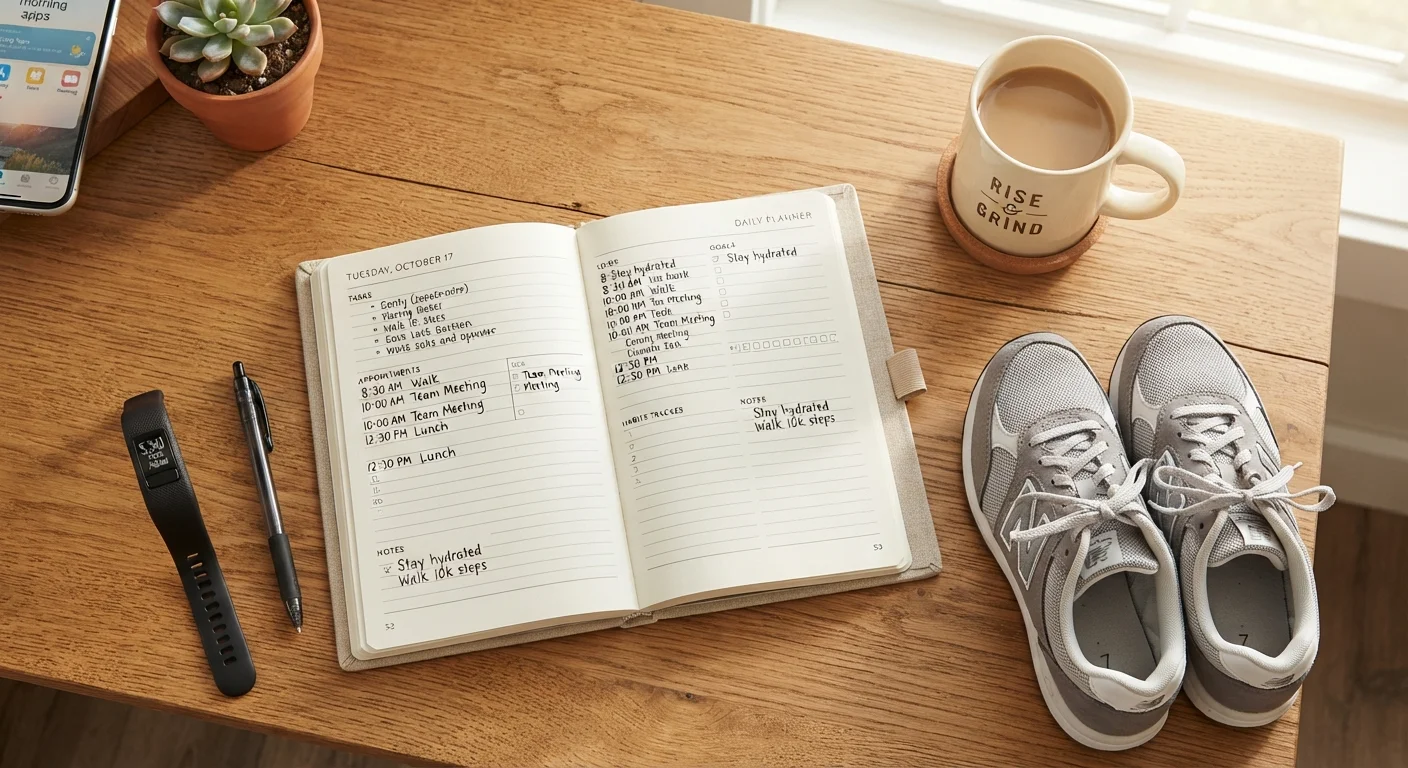
Your Daily Movement Audit: Finding Where the Hours Actually Go
Use this checklist to honestly assess how much you move each day—and spot the low-effort o…

Active Recovery vs. Complete Rest: Choosing What Your Body Actually Needs
Light movement and total rest serve different purposes after exercise. Learn how to tell w…

Building a Weekly Recovery Routine Around Your Training Schedule
A practical framework for structuring rest, stretching, and low-intensity movement days th…

Foam Rolling: What It Can and Cannot Do for Recovery
Foam rolling is widely used but often misunderstood. This breakdown separates the evidence…

How Breathing Techniques Support Post-Exercise Recovery
Deliberate breathing patterns can shift the nervous system out of a high-stress state afte…

Mobility vs. Flexibility: Two Related Concepts With Different Implications for Movement
Flexibility and mobility are frequently confused, but they describe different physical qua…

Overtraining Syndrome: Recognising the Signs Before They Derail Your Progress
Overtraining is a real physiological state with distinct warning signs. Learn what it look…

Recovery Habits That Are Easy to Skip - and Why They Add Up
Hydration, sleep consistency, and easy movement days seem minor but compound over time. He…

Recovery Methods Worth Knowing About - and What the Evidence Says
From cold exposure to compression and contrast therapy, here's an honest look at common re…

Recovery for Beginners: A Practical Starting Point for Anyone New to Structured Training
If you're new to consistent exercise, recovery can be the hardest habit to build. This gui…

Sleep and Fitness: The Recovery Tool Most People Underestimate
Sleep drives hormone release, tissue repair, and mental readiness for training. Here's how…

Soreness Is Not Always a Sign of a Good Workout
DOMS is common, but mistaking pain for progress can lead to overtraining. Learn what soren…

Static Stretching, Dynamic Stretching, and Mobility Work - What Each One Does
These three movement practices are often used interchangeably, but they serve distinct pur…

Stretching Before vs. After Exercise: The Difference Actually Matters
Pre- and post-workout stretching have different goals and work best with different techniq…
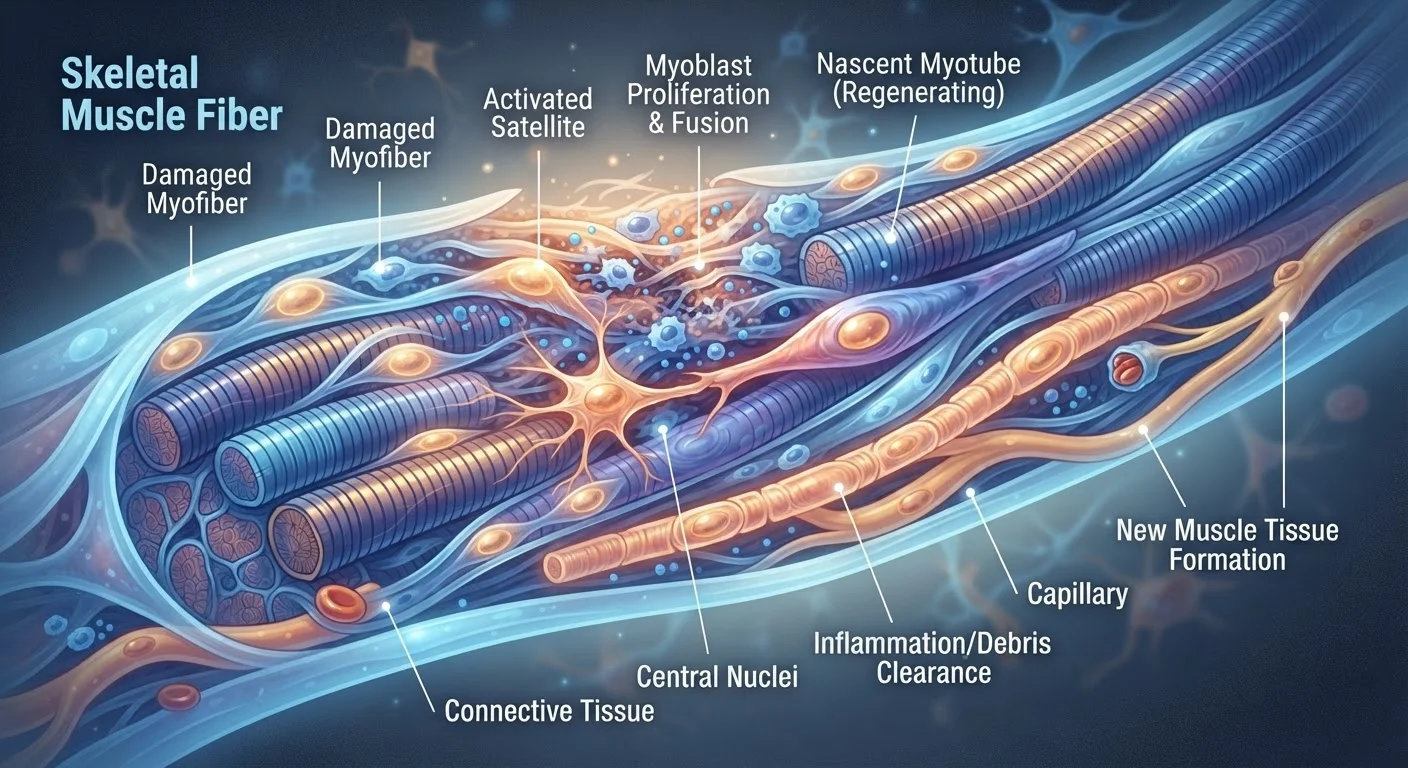
The Physiology of Muscle Repair: What Happens Between Workouts
Muscle growth and repair happen after exercise, not during it. This explainer breaks down …
What Happens to Your Body When You Never Take a Rest Day
Skipping rest consistently doesn't build resilience — it breaks it down. Here's a clear lo…

Why Rest Days Are Not the Opposite of Progress
Rest days are when fitness gains actually happen. Here's the science behind why planned re…