
Cardio, Strength, or Flexibility: Understanding the Three Pillars of Physical Fitness

Key Takeaways
- Cardiovascular exercise supports heart and lung health, improving endurance over time.
- Strength training builds muscle mass and supports bone density and metabolic health.
- Flexibility work preserves joint range of motion and may reduce injury risk.
- No single pillar is sufficient on its own — a balanced routine addresses all three.
- Each pillar can be adapted to any fitness level, age, or ability.
Three Pillars of Physical Fitness
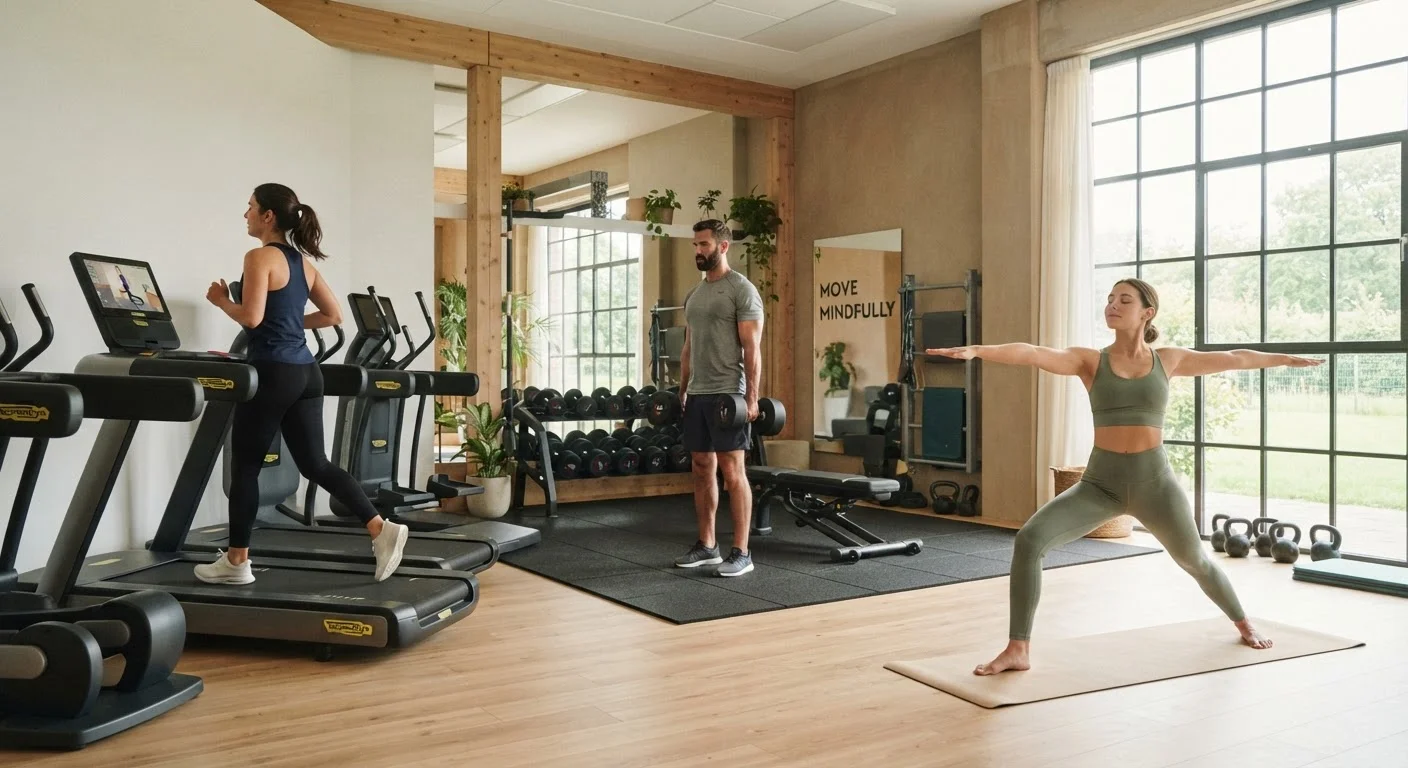
Physical fitness is generally understood through three foundational components: cardiovascular endurance, muscular strength, and flexibility. Each pillar addresses a different aspect of how the body moves, performs, and recovers. Together, they form a complete picture of functional health that goes far beyond any single workout type.
Exercise scientists often expand this framework to include muscular endurance, balance, and body composition — but cardio, strength, and flexibility remain the three most widely taught and practiced categories in public health guidelines.
Why Fitness Has More Than One Dimension
When most people think about getting fit, they picture one thing — running, lifting weights, or maybe a yoga class. But physical fitness isn't a single trait; it's a constellation of capabilities the body develops over time. Understanding the three core pillars helps you see why a one-track approach often leaves gaps — and why a more complete routine supports better health over the long run.
The three pillars — cardiovascular endurance, muscular strength, and flexibility — each serve distinct purposes in the body. They also interact. Strong muscles protect joints during cardio. Flexibility supports full range of motion during strength training. Cardiovascular health fuels recovery between strength sessions. The pillars reinforce each other, which is why fitness professionals consistently recommend training across all three.
Cardiovascular Endurance: Training the Heart and Lungs
Cardiovascular exercise — commonly called cardio — refers to sustained activity that elevates your heart rate and challenges the respiratory system. Walking, jogging, cycling, swimming, and dancing all qualify. The goal is to improve the efficiency with which your heart and lungs deliver oxygen to working muscles.
Regular cardio is associated with a lower risk of heart disease, improved blood pressure management, better mood regulation, and more consistent energy levels. The U.S. Department of Health and Human Services recommends adults aim for at least 150 minutes of moderate-intensity aerobic activity per week as a general population guideline.
150 min
Recommended weekly moderate-intensity cardio
According to the U.S. Department of Health and Human Services Physical Activity Guidelines for Americans.
2x/week
Minimum strength training frequency advised for adults
Per the Physical Activity Guidelines for Americans, targeting all major muscle groups at least twice per week.
80%
Adults who don't meet both cardio and strength guidelines
The CDC estimates fewer than 1 in 4 American adults meet both aerobic and muscle-strengthening activity recommendations.
Cardio also plays a role in body composition — the ratio of muscle to fat in the body. To understand that connection more deeply, see our overview of body composition.
Muscular Strength: Building More Than Just Muscle
Strength training — also called resistance training — challenges your muscles to work against an opposing force, whether that's a barbell, resistance band, or your own bodyweight. Over time, this stimulus causes muscle fibers to adapt and grow stronger.
The benefits extend well beyond appearance. Strength training supports bone density, which becomes increasingly important with age. It improves metabolic function, enhances posture, and can reduce the risk of injury during everyday activities like carrying groceries or climbing stairs. It's also linked to improvements in insulin sensitivity and mental health markers.
A common misconception is that strength training requires heavy weights or advanced gym equipment. Foundational movements — squats, hinges, pushes, and pulls — can be performed with minimal or no equipment and still produce meaningful results for most people.
Flexibility and Mobility: The Overlooked Pillar
Flexibility refers to the ability of a muscle or muscle group to lengthen passively through a range of motion. Mobility is a related but distinct concept — it describes the active control you have over that range. Both matter for functional movement and long-term joint health.
Flexibility work includes static stretching (holding a stretch for time), dynamic stretching (moving through a range of motion), and practices like yoga or foam rolling. These approaches help maintain joint integrity, reduce muscular tension, and support recovery after more demanding workouts.
This pillar is frequently the first to be dropped from a fitness routine when time gets tight — and one of the first things people miss when injury or stiffness sets in. Treating flexibility as a non-negotiable part of your program, rather than an optional cooldown, pays dividends over time. Recovery and rest strategies are closely tied to this pillar and are worth exploring alongside your flexibility practice.
Putting the Three Pillars Together
A well-rounded fitness routine doesn't require equal time across all three pillars every day. It means intentionally including each one across your weekly schedule. Many people find that combining pillars in a single session — like pairing a strength workout with a five-minute flexibility cooldown — is an efficient and sustainable approach.
The right balance varies by individual. Someone recovering from a sedentary period might prioritize cardio and gentle flexibility before adding structured strength work. An athlete focused on performance might weight strength and mobility more heavily. What matters is that no pillar is ignored indefinitely.
If you're unsure where to begin or have any existing health conditions, consulting a qualified fitness professional or your healthcare provider is always a sound first step. Building fitness is a long game — and understanding the framework is what makes it manageable.
This article is for general informational and educational purposes only and is not a substitute for professional medical advice, diagnosis, or treatment. Always consult a qualified healthcare provider before beginning any new exercise program.