

| Recommended sleep for adults 18–64 | 7–9 hours per night (American Academy of Sleep Medicine / Sleep Research Society) |
| Recommended sleep for adults 65+ | 7–8 hours per night (American Academy of Sleep Medicine) |
| Slow-wave sleep peak | Early adulthood (20s) (Sleep architecture research consensus) |
| Circadian shift in older adults | Phase advance — earlier sleep/wake times (Circadian biology research) |
| Sleep apnea prevalence trend | Increases with age, especially 50s+ (National Sleep Foundation data) |
| Caffeine half-life (average adult) | ~5–6 hours (General pharmacokinetics literature) |
Why Adult Sleep Needs Don't Stay Static
Most adults know sleep is important — but fewer realize that what their body needs from sleep changes across the decades. From your 20s through your 60s and beyond, shifts in sleep architecture, hormones, and circadian timing combine to alter both the quantity and quality of rest your body can achieve.
| Recommended sleep for adults 18–64 | 7–9 hours per night (American Academy of Sleep Medicine / Sleep Research Society) |
| Recommended sleep for adults 65+ | 7–8 hours per night (American Academy of Sleep Medicine) |
| Slow-wave sleep peak | Early adulthood (20s) (Sleep architecture research consensus) |
| Circadian shift in older adults | Phase advance — earlier sleep/wake times (Circadian biology research) |
| Sleep apnea prevalence trend | Increases with age, especially 50s+ (National Sleep Foundation data) |
| Caffeine half-life (average adult) | ~5–6 hours (General pharmacokinetics literature) |
This isn't simply about getting older and sleeping less. The changes are biological, gradual, and well-documented in sleep science research. Recognizing them helps you set realistic expectations, identify when something may be wrong, and build habits that serve you at each life stage. For a broader view of how sleep shifts from childhood onward, see our lifespan sleep overview.
This article is for informational purposes only and is not a substitute for personalized medical advice. Consult a qualified healthcare professional with any concerns about your sleep health.
Decade-by-Decade: What Changes and Why
20s and 30s: Adults in this range typically need 7–9 hours of sleep per night, consistent with guidelines from major sleep medicine organizations. Deep slow-wave sleep — the most physically restorative stage — is at its peak during early adulthood. However, lifestyle factors like irregular schedules, shift work, and social obligations frequently push sleep duration below what the body needs.
40s: Slow-wave sleep begins a measurable decline during the fourth decade of life. Many adults notice it takes longer to fall asleep, and nighttime awakenings become more common. For women, perimenopause can introduce significant sleep disruptions linked to hormonal fluctuations. The 7–9 hour recommendation remains relevant, though actually achieving it often requires more intentional habits.
50s and 60s: Circadian rhythms tend to shift earlier — a phenomenon researchers call a "phase advance" — meaning many adults naturally feel sleepy earlier in the evening and wake earlier in the morning. REM sleep and slow-wave sleep both decline further. Sleep efficiency (time asleep versus time spent in bed) drops, and conditions like sleep apnea become more prevalent. Total sleep time may shorten, though the recommended target of 7–9 hours remains clinically appropriate for most adults through age 64.
65 and older: Older adults generally require 7–8 hours, per published guidelines. Frequent awakenings, early morning rising, and lighter sleep are common. It's important to distinguish normal age-related changes from treatable disorders — persistent insomnia, excessive daytime sleepiness, or loud snoring warrant evaluation by a healthcare provider. For insight on mental wellness and sleep across these stages, see how sleep patterns affect mental wellness with age.
Building Sustainable Sleep Habits for Every Stage
Understanding the biology is one thing — translating it into nightly habits is another. Regardless of your decade, certain evidence-backed practices consistently support better sleep quality.
Slow-wave sleep
The deepest stage of non-REM sleep, associated with physical restoration, immune function, and memory consolidation. It naturally decreases in duration as adults age.
Circadian rhythm
The body's internal 24-hour biological clock that regulates sleep-wake timing, body temperature, and hormone release. It shifts earlier in phase as people reach their 50s and beyond.
Sleep efficiency
The percentage of time in bed that a person is actually asleep. Healthy young adults typically show high sleep efficiency; it tends to decline with age due to more frequent awakenings.
Phase advance
An age-related shift in circadian timing that causes older adults to feel sleepy earlier in the evening and wake earlier in the morning than they did in younger years.
REM sleep
Rapid Eye Movement sleep, the stage most associated with dreaming and emotional processing. REM sleep also declines in proportion as people age, though less dramatically than slow-wave sleep.
- Anchor your schedule: Going to bed and waking at consistent times — even on weekends — reinforces your circadian rhythm and reduces sleep inertia.
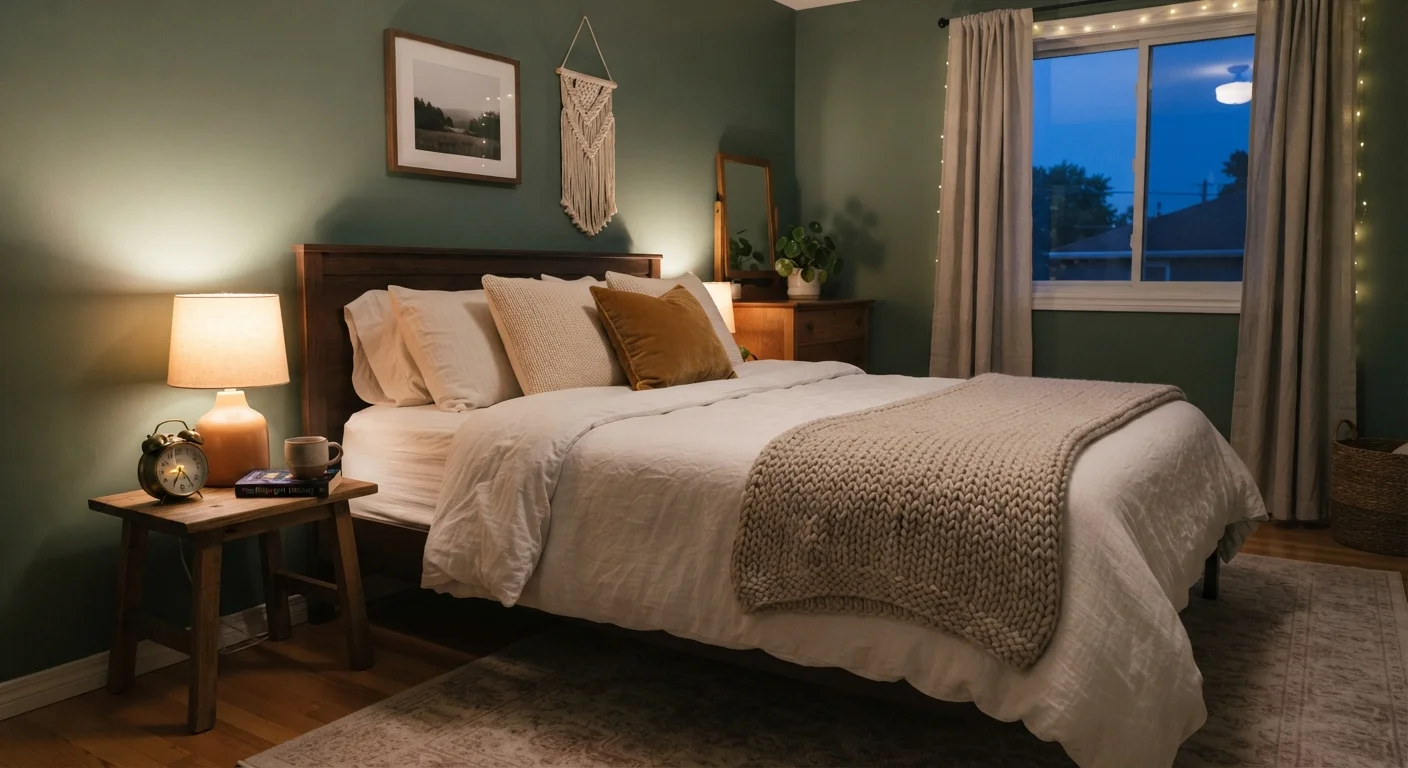
- Protect the sleep environment: Cooler room temperatures (roughly 65–68°F for most adults), darkness, and low noise support deeper sleep stages that naturally thin with age.
- Limit late-day stimulants: Caffeine has a half-life of approximately five to six hours in most adults. Afternoon consumption can meaningfully reduce slow-wave sleep even if you fall asleep easily.
- Address sleep disorders proactively: Conditions such as obstructive sleep apnea become more common with age and are highly treatable. If you or a partner notice loud snoring, gasping, or extreme daytime fatigue, consult a healthcare professional.
Many adults carry persistent myths about how much sleep they actually need — for example, the belief that sleep requirements shrink dramatically in midlife. Science-based answers to common adult sleep myths can help you separate fact from assumption. For practical routines tailored to better rest, explore evidence-based sleep habits.