

Key Takeaways
- The gut lining is a selective barrier; when it becomes permeable, inflammatory signals can enter the bloodstream.
- An imbalanced gut microbiome (dysbiosis) is linked to increased systemic inflammation.
- Diet, sleep, stress, and antibiotic use are among the lifestyle factors that most influence gut microbial balance.
- Chronic inflammation is associated with conditions including heart disease, type 2 diabetes, and autoimmune disorders.
- Supporting gut health through consistent lifestyle habits may help reduce inflammatory burden over time.
Chronic Inflammation
Chronic inflammation is a prolonged, low-grade immune response in which the body's defense system remains persistently activated — even without an active infection or injury. Unlike acute inflammation, which resolves quickly after healing, chronic inflammation can linger for months or years and quietly affect multiple organ systems. Researchers increasingly trace its origins, at least in part, to disruptions in the gut.
This sustained immune activation is associated with elevated cytokines — small signaling proteins that can travel via the bloodstream and trigger inflammatory responses throughout the body.
The Gut as an Immune Organ
Most people think of the gut primarily as a digestive system. But roughly 70 percent of the body's immune cells reside in or around the gastrointestinal tract. This makes the gut one of the most immunologically active tissues in the human body — and a logical starting point for understanding how systemic inflammation develops.
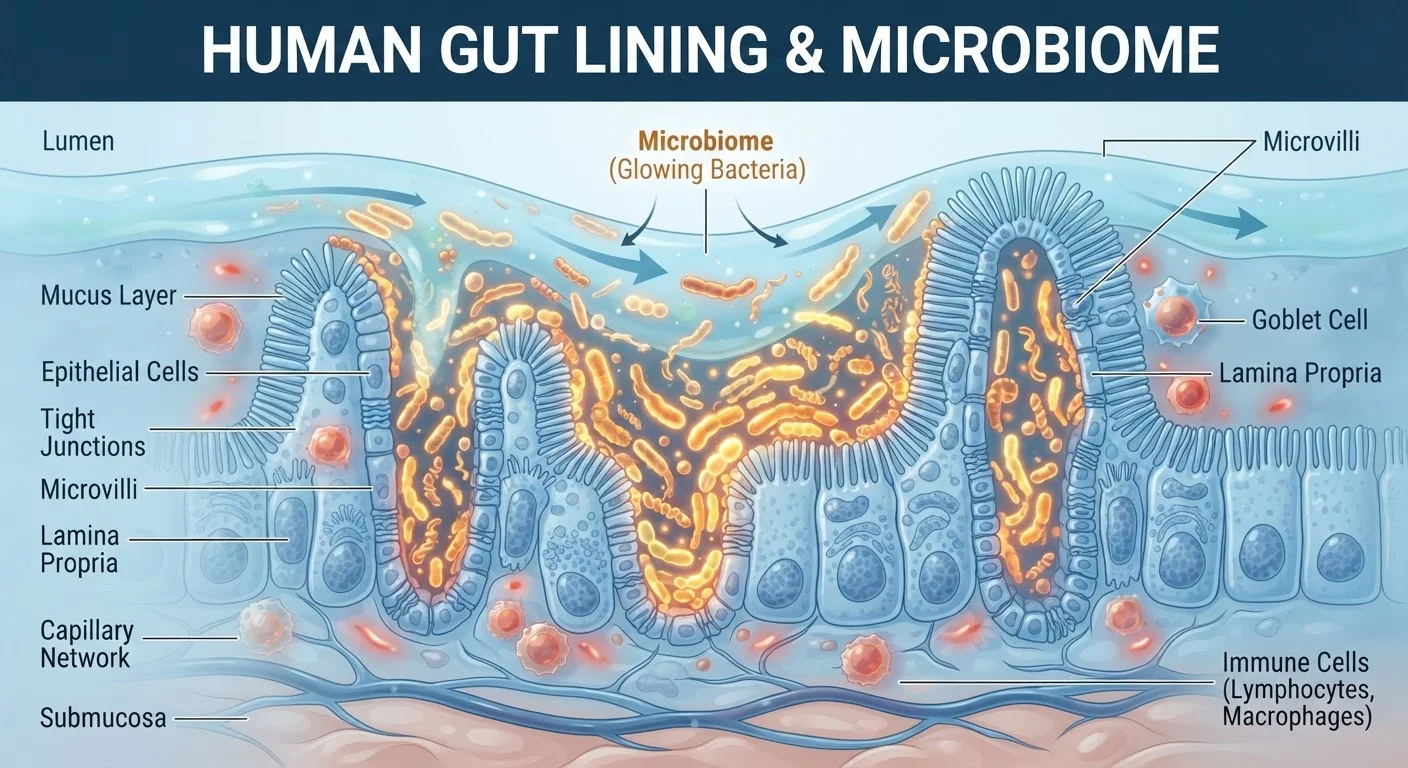
The gut lining, called the intestinal epithelium, is only one cell layer thick in most areas. It is reinforced by tight junction proteins that act like gatekeepers, allowing nutrients and water to pass while blocking harmful substances. When this barrier is compromised — through poor diet, chronic stress, infections, or certain medications — those gatekeepers loosen. This condition, known as intestinal hyperpermeability, allows bacterial fragments called lipopolysaccharides (LPS) to leak into the bloodstream. The immune system responds by launching an inflammatory cascade that, when repeatedly triggered, becomes chronic.
"Leaky Gut" in Clinical Context
The term "leaky gut" is widely used in wellness circles, but in medicine, the precise condition is called intestinal hyperpermeability. While research confirms this phenomenon exists and contributes to immune dysregulation, it is not currently recognized as a standalone clinical diagnosis in mainstream medicine. If you have digestive symptoms or concerns, seek evaluation from a gastroenterologist or your primary care provider rather than self-diagnosing.
Dysbiosis: When the Microbiome Falls Out of Balance
The gut microbiome — the vast community of bacteria, fungi, and other microorganisms living in the digestive tract — plays a central regulatory role in immune function. A diverse, balanced microbiome helps maintain the integrity of the gut lining, produces anti-inflammatory compounds such as short-chain fatty acids (SCFAs), and trains immune cells to distinguish threats from harmless molecules.
When the microbiome becomes imbalanced, a state called dysbiosis, beneficial bacteria decline and potentially harmful species proliferate. This shift reduces SCFA production, impairs the gut barrier, and amplifies pro-inflammatory signaling. Dysbiosis has been observed in people with conditions ranging from inflammatory bowel disease to type 2 diabetes and cardiovascular disease — though researchers continue to investigate whether it is a cause, a consequence, or both.
Factors that commonly disrupt microbial balance include a low-fiber diet, prolonged antibiotic use, sedentary behavior, disrupted sleep, and chronic psychological stress. Each of these is, importantly, modifiable through lifestyle change. For a deeper look at how the microbiome intersects with metabolic health, see how gut health relates to weight regulation.
Lifestyle Choices That Drive the Cycle
Chronic inflammation is rarely caused by a single event — it is the cumulative result of daily habits over time. Diet has the most thoroughly studied relationship with gut-mediated inflammation. Diets rich in ultra-processed foods, refined carbohydrates, and saturated fats are consistently associated with reduced microbial diversity and elevated inflammatory markers. Conversely, fiber-rich diets featuring vegetables, legumes, and whole grains support the bacteria that produce SCFAs, which in turn help maintain gut barrier integrity.
Sleep is another underappreciated variable. Research shows that even short-term sleep disruption can alter the gut microbiome's composition and increase intestinal permeability. Chronic stress exerts similar effects through neuroendocrine pathways — which also connects gut health to cognitive and emotional wellbeing. Understanding how the gut communicates with the brain is explored further in our article on the gut-brain axis.
~70%
Of immune cells located in or near the gut
Widely cited in immunology literature, reflecting the gut's dominant role in systemic immune function and regulation.
38 trillion
Estimated microbial cells in the human gut
A widely referenced estimate from microbiome researchers, roughly matching the total number of human cells in the body.
2–3x
Higher CRP levels in low-fiber diet groups
Observational studies, including data from large dietary cohorts, associate very low fiber intake with markedly elevated C-reactive protein, an inflammatory marker.
What the Evidence Supports — and Where Uncertainty Remains
The connection between gut health and systemic inflammation is well-supported by a growing body of research, including large observational studies and clinical trials. However, this science is still evolving. Much of what is known about dysbiosis and permeability comes from animal studies or small human trials, and researchers are still identifying which microbial changes are causes versus markers of disease.
Importantly, improving gut health through diet, sleep, stress management, and avoiding unnecessary antibiotic use represents a reasonable, evidence-informed approach to reducing inflammatory burden — but it should not replace conventional medical care. Chronic inflammation and its downstream effects require clinical evaluation and, in many cases, targeted treatment.
If you are concerned about inflammation or digestive health, a qualified healthcare provider can run appropriate tests and guide next steps. General health information, including everything in this article, is not a substitute for personalized medical advice.
This article is for informational purposes only and does not constitute medical advice. Always consult a qualified healthcare professional before making changes to your health regimen.